
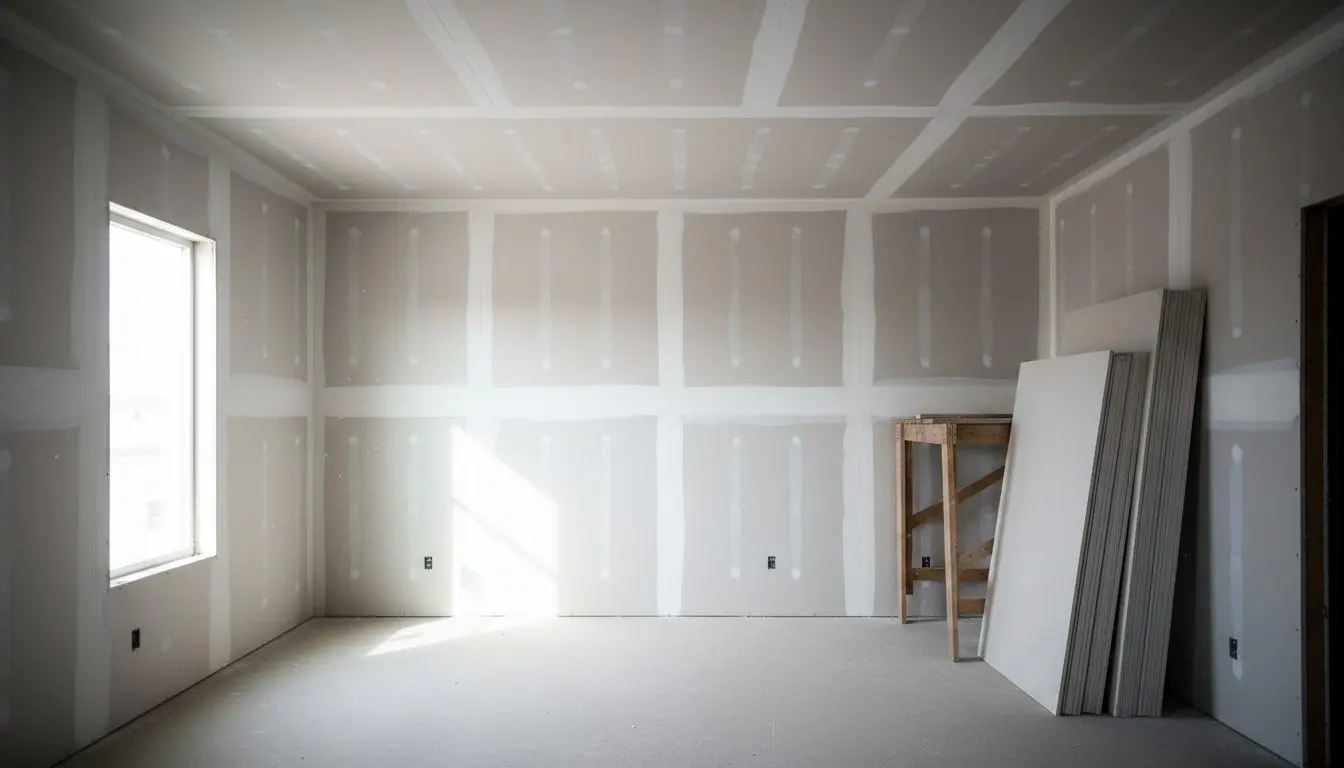
Drywall Installation in Fargo
Drywall Installation in Fargo and the Valley
Hung to the sheet maker's screw spacing, taped in three coats with real drying time between them, and primed before the room is handed over.
New board in valley basements, additions and spec houses
You end up with a room hung flat and taped tight, ready for a painter rather than ready for another trade.
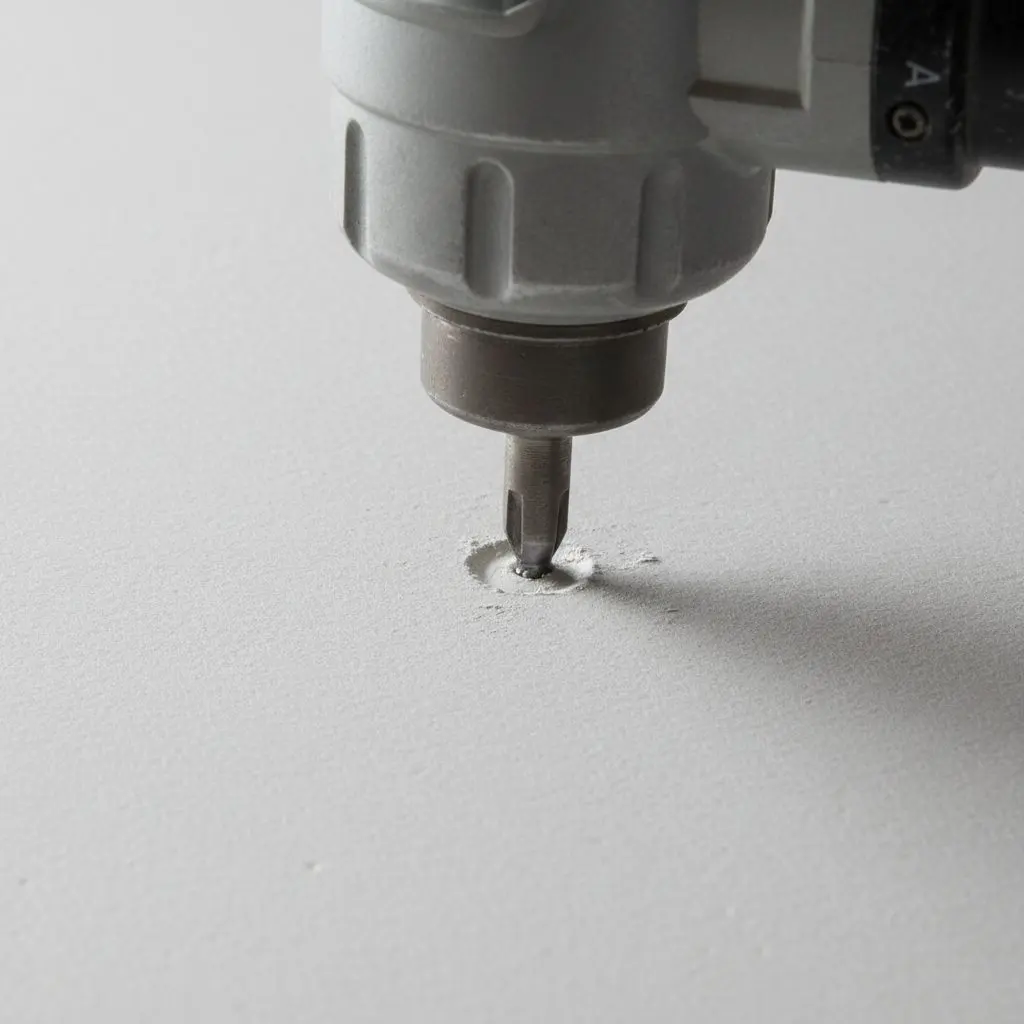
Installation is new board on new or opened-up framing, taped out and primed. Basements, additions, bonus rooms, garages and whole houses for builders. If the wall is already drywalled and you are chasing a crack or a joint that has let go, that is drywall repair. Board coming out because water got behind it belongs with water damage repair.
Around seventy new board jobs a year across the valley, and most of them are basements and additions on houses that were framed after 1997.
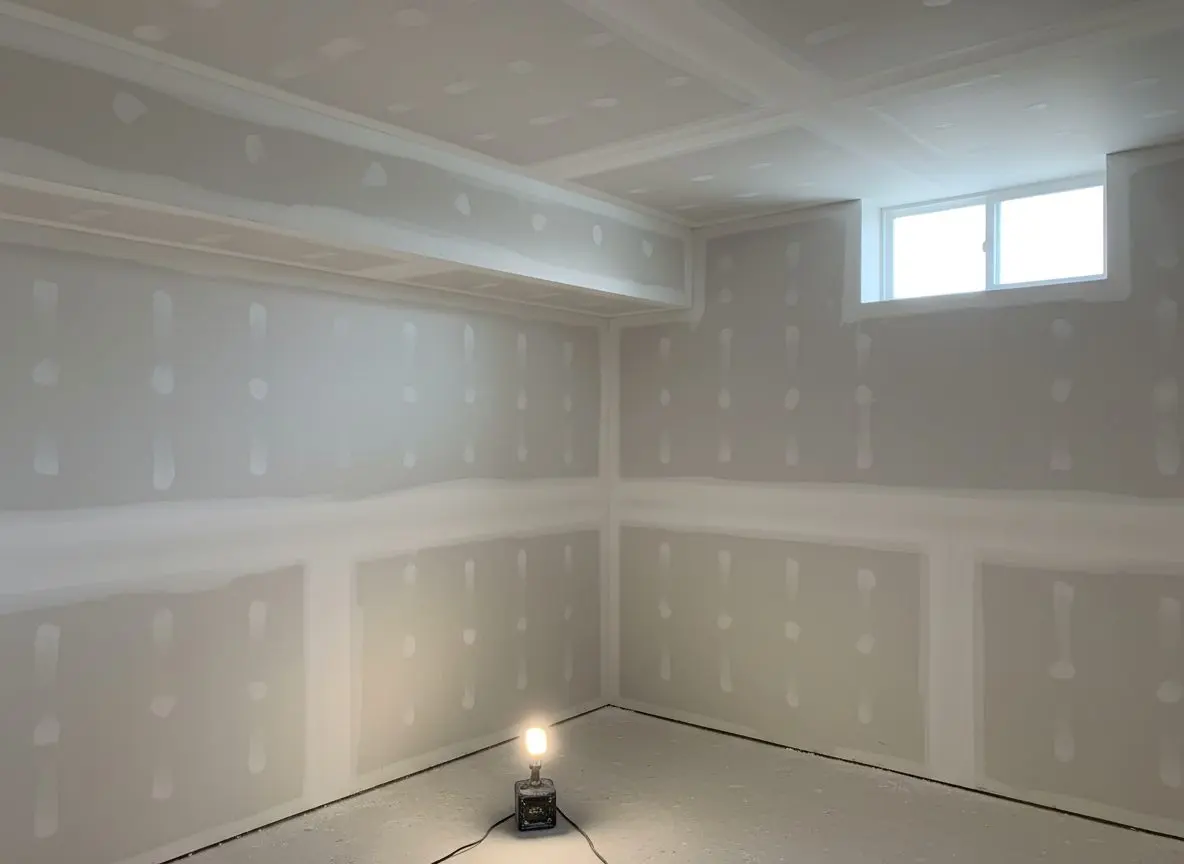
Basement finishing is the job most people call about, then additions and bonus rooms, then garages, then whole houses for builders. Sheets go up with the long edge running across the framing rather than along it, because a tapered edge crossing the joists gives a shallower joint and far fewer butt seams in the middle of a wall. Butt joints land on a back blocker rather than on a stud, which is what stops a long wall showing a raised line the first time February sun comes in sideways.
A homeowner finishing a basement they have stacked boxes in for nine years, and a builder in Horace who needs a spec house hung, taped and primed between the framing inspection and the painter.
Call for a free measure at (701) 555-0132. You will go from apologizing for the basement to sending people down there to have a look!
What one crew covers between framing and the painter
Everything from the first sheet to a primed wall, on one crew and one written scope.
- New board hung on new or opened-up framing
- Basement, bonus room and attic finishing
- Garage hanging and firetaping to the rating
- Ceilings, soffits and bulkhead framing
- Taping, coating and sanding to Level 4
- Corner bead, archways and window returns
- PVA primer on before the painter arrives
Drywalling over the old wall, or stripping it back first
Most rooms do not need the old surface off, and stripping it is where the money quietly goes.
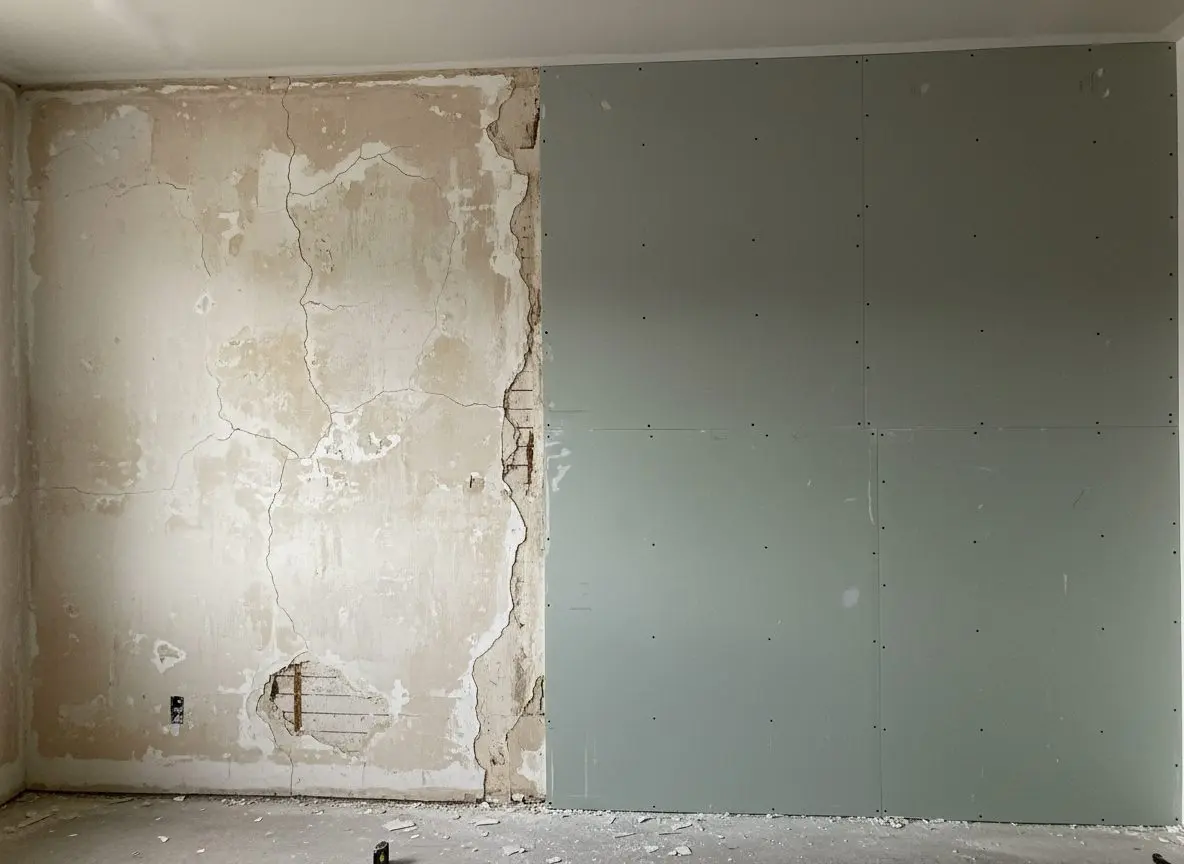
Board over the top when the existing surface is firmly fixed, reasonably flat and dry, and when losing half an inch off the room does not matter. That covers most garages, most utility walls and a lot of older plaster that has cracked without letting go. It is faster and almost nothing has to be carried out.
Strip it back when the surface is drummy over a wide area, when anything behind it is wet or has been, or when the framing has to be opened for wiring or insulation. Drywalling over a failing surface hangs new weight on a fixing that has already given up, and the whole lot comes away together a few winters later.
You will be told which of the two it is on the visit, in front of the wall, including the days it is the cheaper one. If a garage wall only needs drywall over, that is what the scope says, even though a strip out is a bigger invoice for us and an easier day to price.
How the sheets go up, and what holds the joints flat
Sheets across the framing, butt joints landed on back blockers, screws driven to a dimple with the gun clutched.
Sheets hang with the long edge running across the framing, so the factory tapered edge crosses the joists and the joint sits in a shallow recess instead of standing proud.
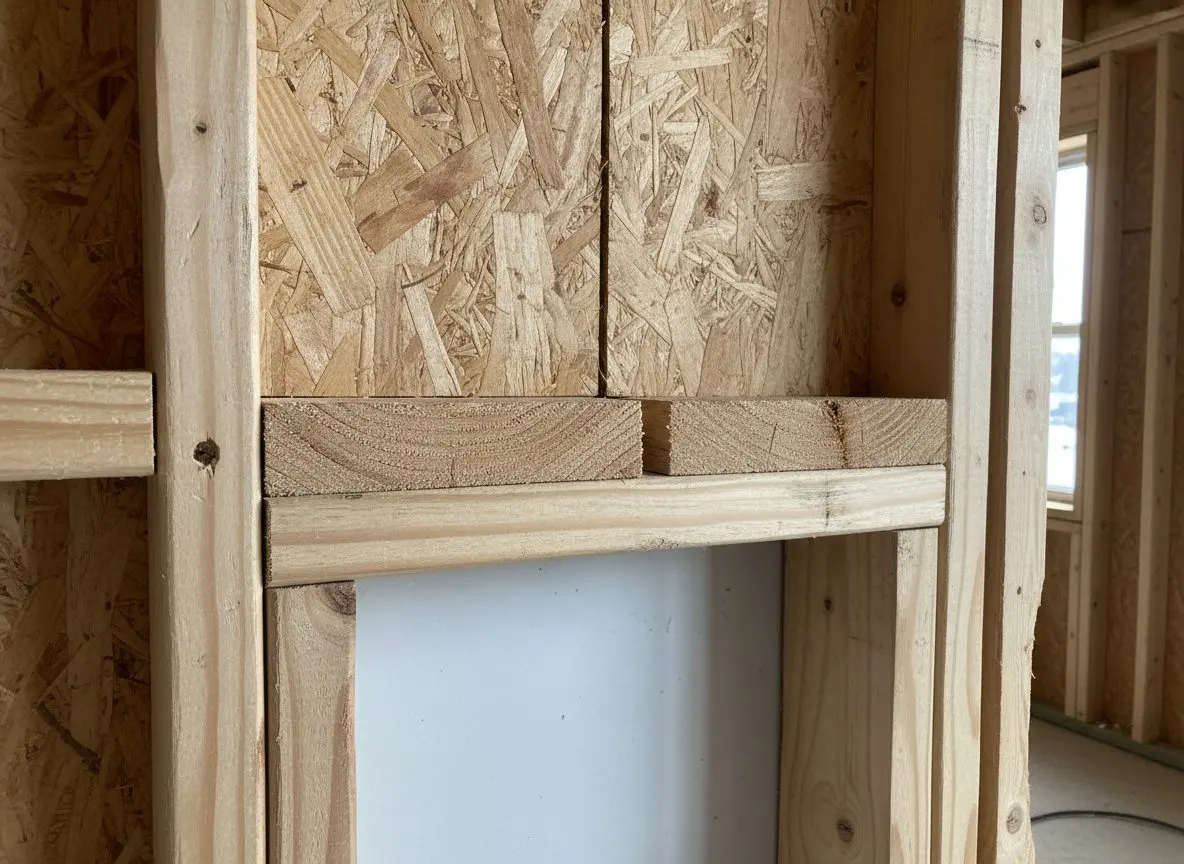
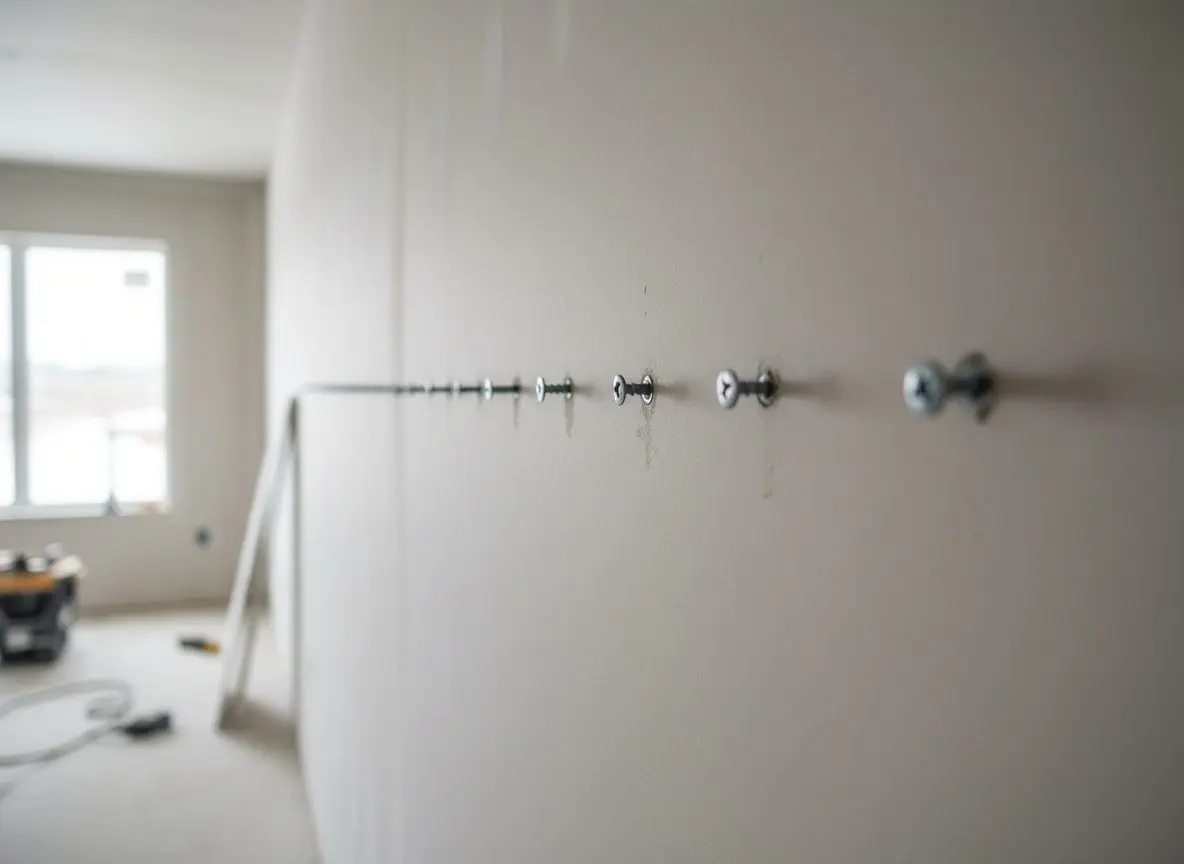
Butt joints land on a back blocker screwed between studs rather than on a stud face, which pulls the two cut edges back and lets the joint be feathered flat instead of built up. Screws go in at twelve inches on ceilings and sixteen on walls with the gun set to depth, so every head dimples the paper without breaking it.
Ceilings are hung before walls, so wall sheets carry the ceiling edge. Below grade it is paperless glass-mat board, because valley basements take water and paper facing feeds mold.
- Long edge hung across the framing
- Butt joints landed on back blockers
- Five-eighths on ceilings, half-inch on walls
- Type X and firetaping where rated
- Paperless glass-mat board below grade
- ASTM C840 Level 4 as standard
Call and somebody will come out, measure the room and tell you which of these your job actually needs.
(701) 555-0132What moves the price on a new board job
Two basements the same square footage can be days apart. Corners, openings and how true the framing is decide more of it than the number of sheets ever does.
- Square footage of board
- Wall and ceiling surface, not floor area. A basement with a stairwell, a mechanical room and two closets carries far more board and far more cut time than an open rectangle with the same footprint.
- How true the framing is
- A crowned stud or a joist sitting proud has to be planed, shimmed or strapped before board goes on, because a hump under a sheet becomes a shadow line after paint that no amount of compound will bury.
- Corners, openings and returns
- Every internal corner is taped by hand and every external one takes bead. A room with four windows, two archways and a bulkhead has several times the linear feet of detail of a plain box with one door.
- Finish level per wall
- Level 5 roughly doubles the finishing labor on the wall it is specified for. Choosing it only for the walls that face glass, rather than for the whole room, is usually where the sensible saving is.
- Stair and doorway access
- Twelve foot sheets that will not turn a landing have to be cut, which puts butt joints back into a wall you were paying to avoid them on. Basement and second floor work costs more for that reason alone.
- Rated and specialty assemblies
- A garage ceiling that needs Type X and firetaping, or a wall built for sound, is a different assembly rather than a more expensive sheet. The detailing at every penetration is where the hours go.
Which of these your job actually carries is settled on the visit, and the written scope names the ones that did. Get a free quote
From the first phone call to a swept floor
Three to seven days on site for most houses, and the dust is over inside the first two.
Call and you will get a straight answer about how many days the room is out of use, before anybody quotes on it.
Get a free quoteWhy nobody can quote you a percentage on new board
New board is the surface a buyer touches, and the only trade that shows in every photograph of the house.
There is no published figure for what drywalling a basement returns at resale, because no remodeling study prices drywall separately from the room it is in. The Cost vs.
Value report measures a finished basement as a whole, and the board, the tape and the primer are buried inside that number along with the flooring and the lighting. What is worth knowing is which choices here still read as money later.
Twelve foot sheets on long walls, back blockers on the butt joints, and Level 5 on the walls facing the windows are all invisible on the day and all obvious in five years. A ceiling texture chosen because it hides poor taping is the opposite.
Heaving slabs, cold sheets and a zone seven barrier
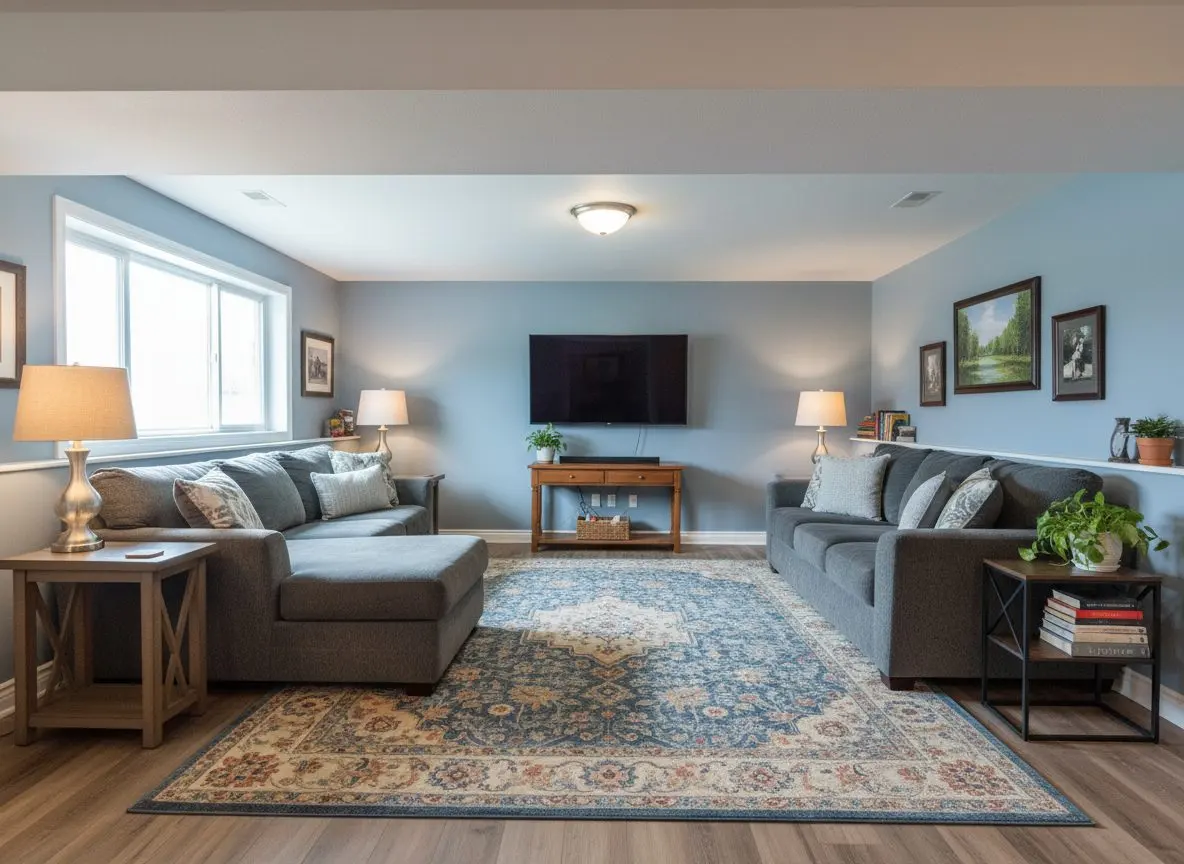
Basement walls here are framed to float above a slab that lifts, sheets delivered in January need a day indoors, and the vapor barrier has to be on the warm side.
- Basement slabs lift, so walls have to float
- Valley clay heaves a basement slab up and down through the year. A wall framed tight to the floor pushes board into the ceiling every spring and cracks it across the top. The framing needs a float gap, and board is hung to leave it, not bridge it.
- Cold sheets sweat when they come indoors
- Board off a trailer at minus twenty and hung the same hour picks up condensation from warm indoor air, and compound dries at two rates across one wall. Sheets sit inside overnight before anybody hangs them, which costs a day and saves a callback.
- The vapor barrier goes on the room side
- This is climate zone seven, so the barrier goes on the warm side of the insulation, behind the board. Get it on the cold side, or run two of them, and moisture condenses inside the wall where nobody sees it until the board below grade goes soft.
Board hung last year in Horace, Kindred and Mapleton
Six new board jobs finished in the last year, with the town each one was in and the thing about it that took the time.
-
Basement built to a float gap
Horace
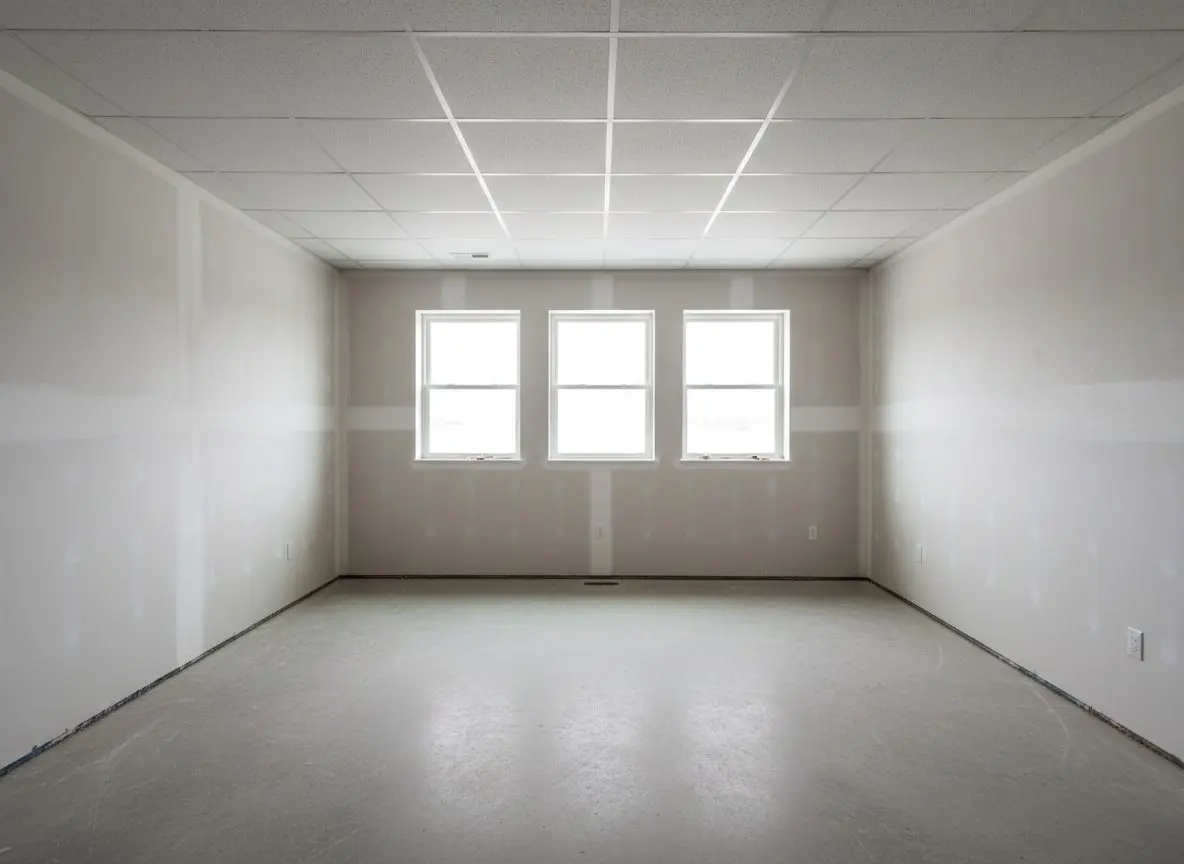
Framing had been built tight to the slab. The bottom plate was cut back and the board hung to leave the gap before anything else went up.
-
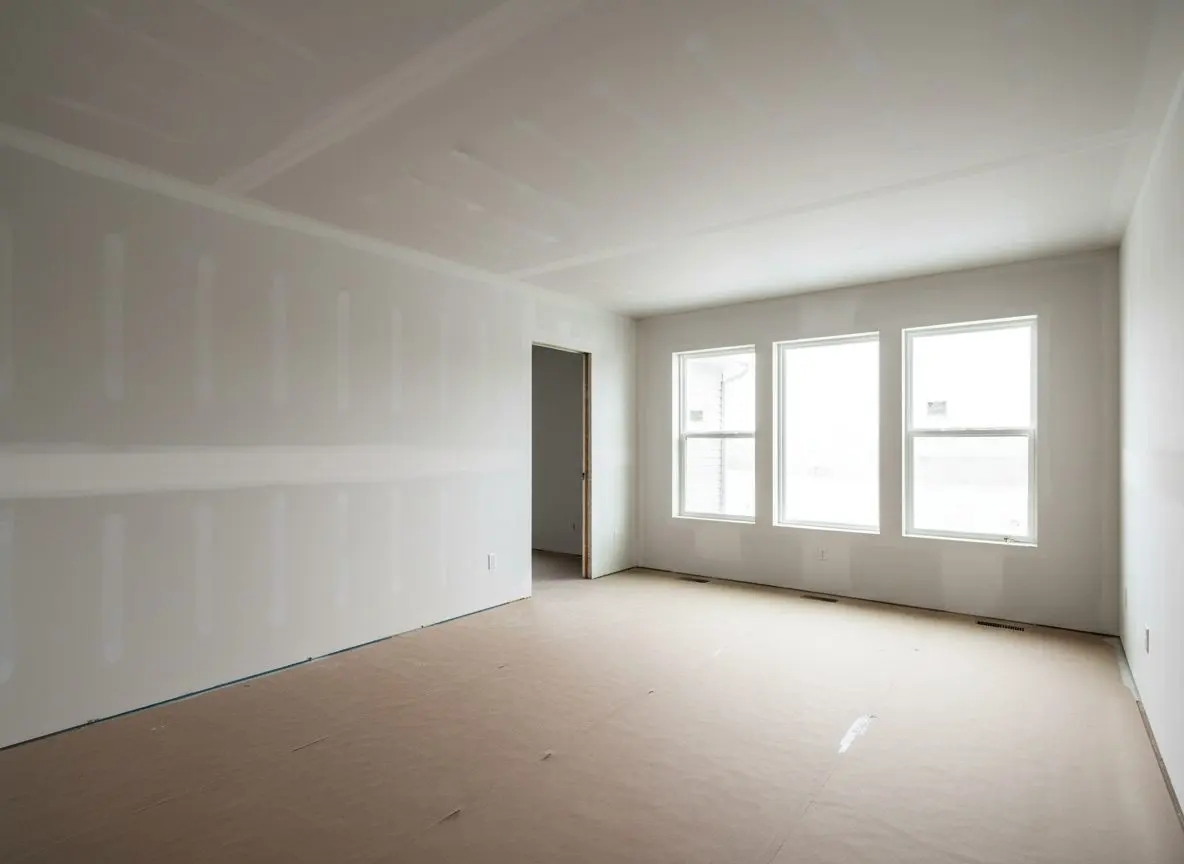
Addition hung and primed
West Fargo
A twenty by fourteen family room off the back. Twelve foot sheets on the long walls to keep the butt joints down to one, landed on blockers.
-
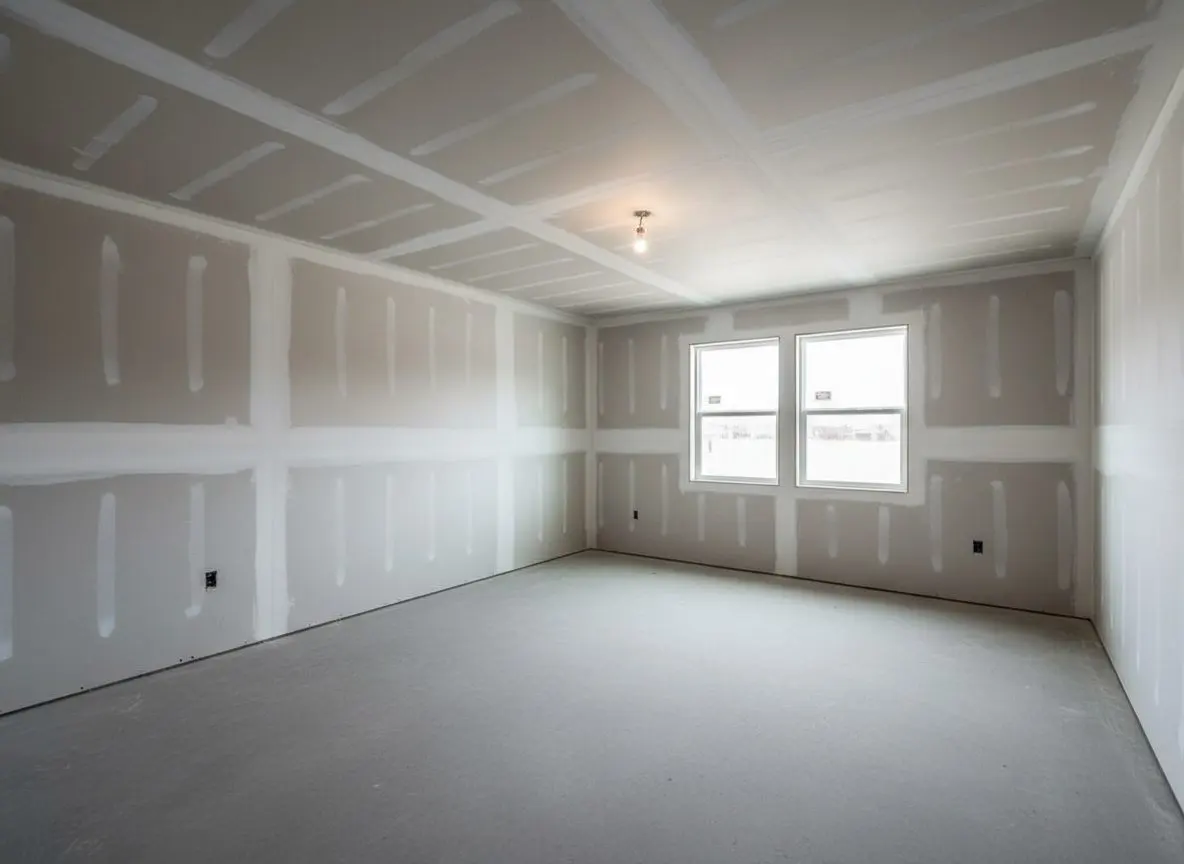
Garage ceiling in Type X
Mapleton
Five-eighths Type X overhead and on the house wall, firetaped to the rating at every penetration, and the rest left at a plain taped finish.
-
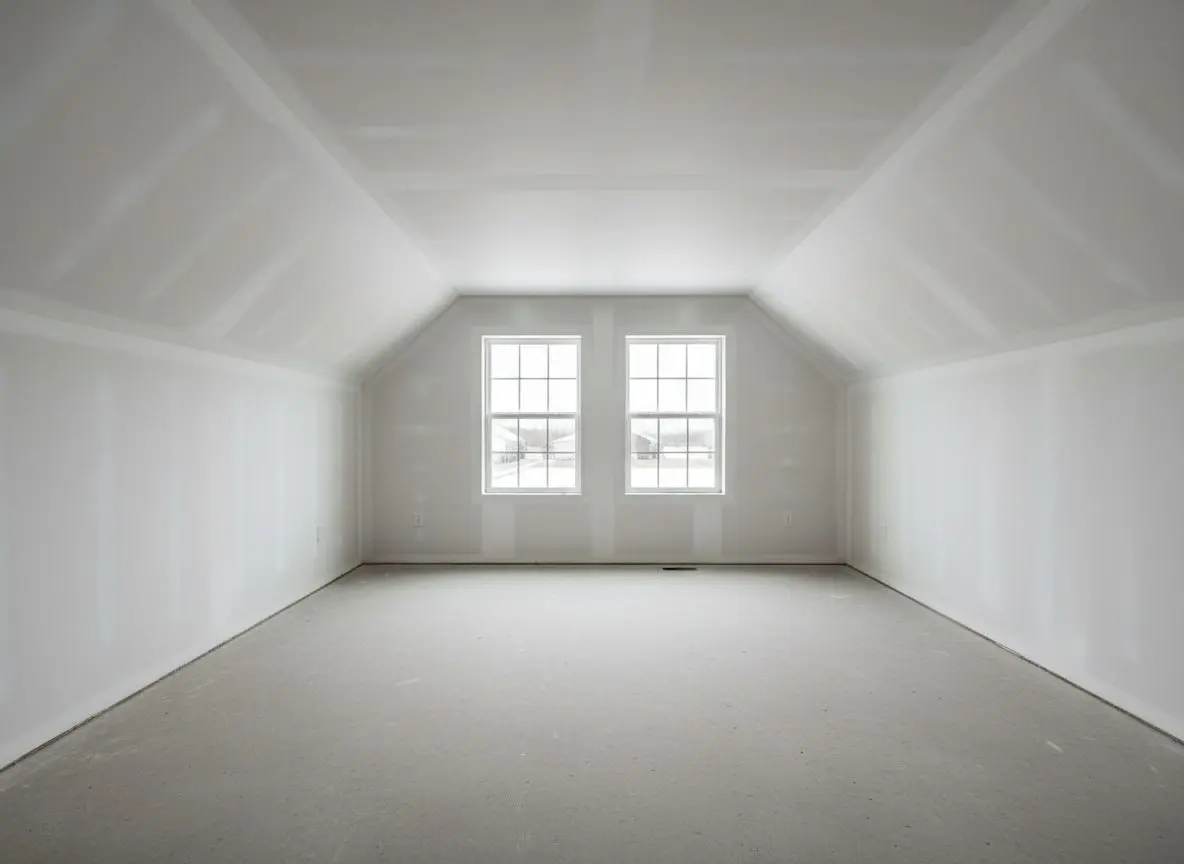
Bonus room over a garage
Casselton
Sloped ceilings and three kneewall returns. Every angle was beaded and the two walls facing the west window were taken to Level 5.
-
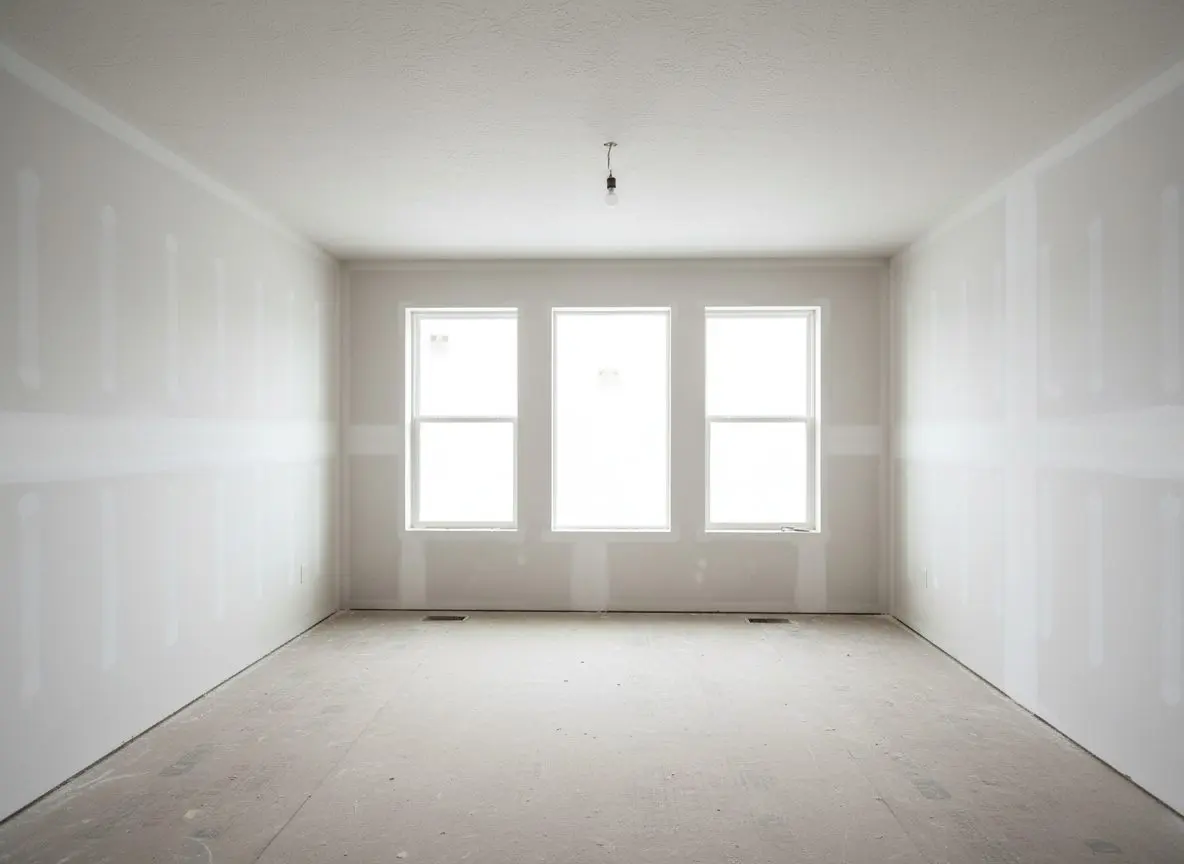
Spec house hung in nine days
Kindred
Twenty-four hundred square feet, two crews, hung and taped between the framing inspection and the painter with no float in the schedule.
-
Attic room lined and taped
Moorhead
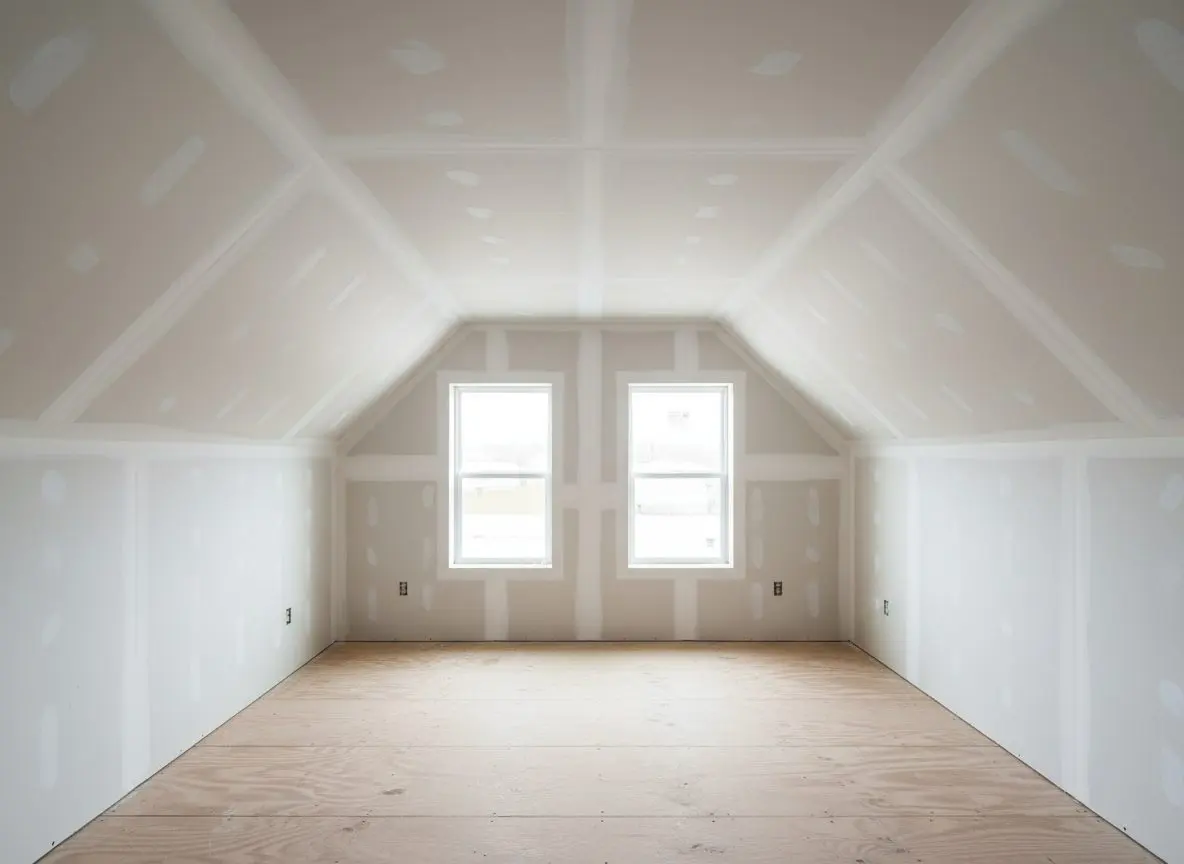
Board hung on strapping over old rafters that were nowhere near a plane. Shimming the joists out took longer than hanging the sheets did.
What people said once the board was up and primed
-
Rated 5 out of 5
A pipe froze and split behind the laundry wall in January. Wet board out the same week and the wall back the next. No fuss and no guessing.
Travis O. Kindred Water Damage Repair -
Rated 5 out of 5
Basement of a 2019 build, framed and never finished. The crew found a header sitting out half an inch and stopped to shim it rather than board over it, which added a day. Worth the day.
Marit L. Mapleton Drywall Installation -
Rated 5 out of 5
I turn a rental over most Augusts and had used a different crew every time. This one was two rooms of knocks and a hole where a TV bracket pulled out. Two days, primed, and the sheen matches.
Deb S. Barnesville Drywall Repair
All three of these started as a phone call about one wall. Tell us what yours is doing and we will come and look.
Get a free quoteFAQs
Frequently asked questions
Questions people ask before booking new board
Can you board a basement that is not framed yet?
We board, we do not frame, so the studs and the strapping need to be up and inspected first. If you have not got that far, say so on the phone and you will get the names of two or three framers who work to a float gap at the slab, which is the detail that matters most down there.
Do you take on whole spec houses for builders?
Yes, and it is a good part of the work. A crew hangs, tapes, sands and primes a house of that size in two weeks, and the schedule is agreed against your framing inspection and your painter rather than against our own diary. Progress billing by floor rather than one invoice at the end.
Do you do the insulation, or is that somebody else?
We fit batts and the vapor barrier where the walls are open in front of us, because the barrier is part of getting the board right. Blown-in and spray foam are a different trade with different kit, so those get subbed and you see the quote rather than a marked up line item.
Are corner beads and archways part of the price?
Yes, both are in the scope rather than extras added later. Square external corners take metal or paper-faced bead. Archways and curved returns take flexible bead and an extra coat, so they are counted in linear feet on the quote where you can see them rather than folded into a square foot rate.
When can the electrician come back in?
After the board is hung and before it is taped is the wrong moment, because every cut out has to be found again. The clean turnover is once the sheets are up and the outlet boxes are cut, which is usually the second or third day. Say if there is a fixture still to be positioned.
Should the ceiling go up before the walls?
Ceiling first, always, so the wall sheets push up under the ceiling edge and carry it. Done the other way round the ceiling sits on the wall board, the joint at the top of the wall opens up as the framing dries, and you get a line running round the room a year later.
Is 54 inch board worth it on a nine foot wall?
Yes, on any wall over eight feet. Two courses of 54 inch board give one horizontal seam at waist height instead of a seam plus a narrow rip near the ceiling, and a rip is the hardest joint in the house to finish flat. The sheets are heavier and want two people, which is the trade.
Can we still use the stairs while the basement is hung?
Yes, though for two or three days there will be sheets stood along one wall of the stairwell and a poly curtain at the bottom. The stair itself stays clear and lit, and tools come off it at the end of every day. If the stair is the only route to a laundry, say so and it gets worked around.
How do you get twelve foot sheets down a basement stair?
Often we cannot, and that is worth knowing before you choose them. A stair with a turn in it takes ten foot at best, so either the sheets get cut and you accept an extra butt joint, or they go in through an egress window or a walkout. The visit is where that gets decided, not the delivery day.
Does new board need to sit in the house before you hang it?
In winter, yes. Sheets that come off a cold trailer and go straight onto a warm wall pick up condensation and take compound unevenly. A day indoors at room temperature settles them. In summer it makes no odds and the delivery can land the same morning the crew does.
What do I do if a screw pops in the first winter?
Call, and somebody comes and puts it right at no charge. One or two pops in the first heating season are the framing drying out rather than a fault, and the fix is a second screw beside the first, the head refilled in two coats and the spot touched in. It is a half hour, not a revisit of the wall.
Do you leave it flat, or ready for texture?
Whichever the scope says, and it is worth deciding early. Flat means the whole surface is finished and primed with nothing sprayed over it. Ready for texture means the joints are done to Level 3 and the texture then covers them, which is cheaper but locks you into matching that texture forever.
Fargo Drywall Elite
The book runs three to four weeks out, and a leaking ceiling jumps to the front of it.
Fargo Drywall Elite hangs, tapes, finishes and textures board across Fargo and the Red River Valley towns around it, in houses, additions and commercial units alike. Three crews finish around a hundred and eighty jobs a year, working through winters most trades slow down for. Trading here since 2009.
Why a crew that knows a Fargo winter makes the difference
- Seventeen years hanging board through Red River Valley winters, since 2009
- A measure on site before anything is priced, never a number guessed over the phone
- The scope is written down so you can hold it against the other two quotes
- Compound sets fast in dry winter air, and the coats are timed for it
- Every surface is primed before we leave, so your painter is not the one who finds a defect
If a ceiling is staining after the melt, a wall needs drywall from scratch, or a room just needs finishing off, call (701) 555-0132 and somebody will come out and measure it. You get the scope in writing before any board is cut, and the schedule accounts for the drying time a Fargo winter actually needs.
Give us a call
Send us a message
1630 1st Ave N, Ste B, Fargo, ND, 58102
Where to find us