
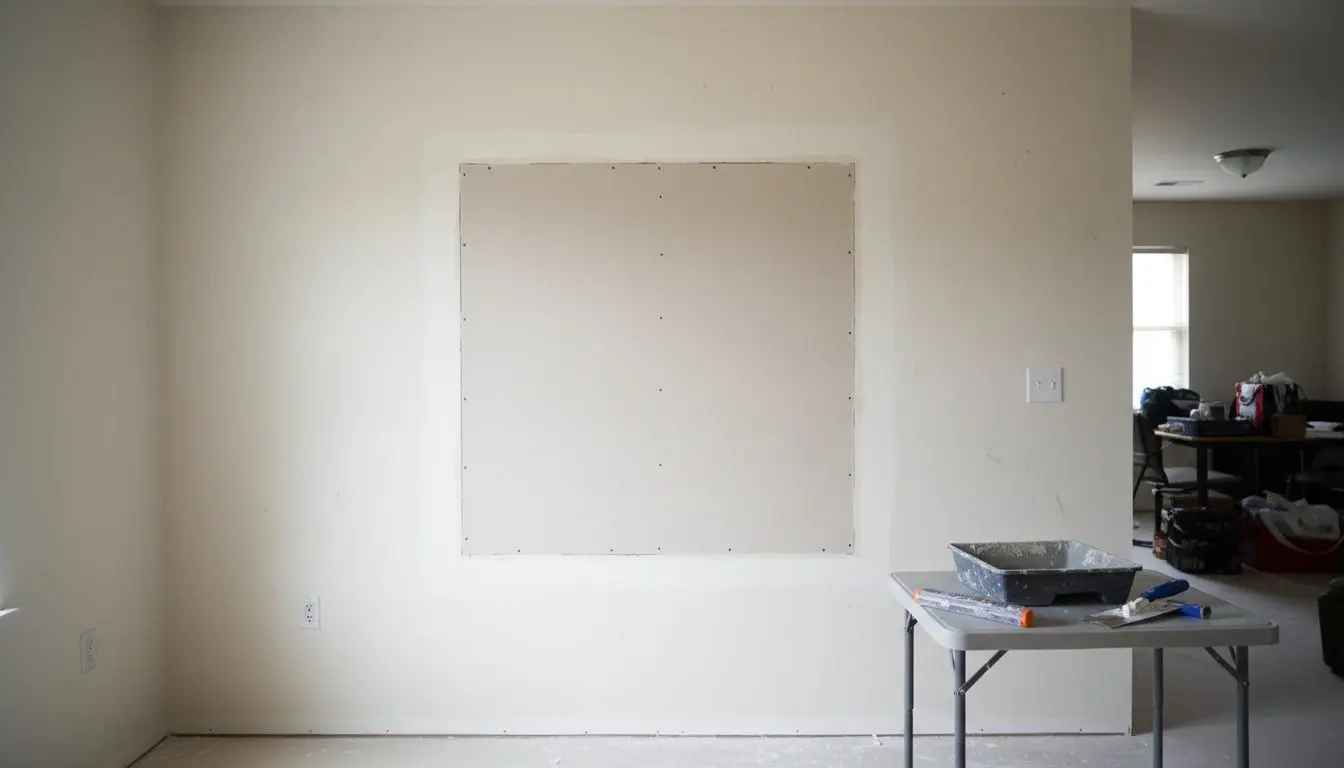
Drywall Repair in Fargo
Drywall Repair in Fargo, West Fargo and Moorhead
Cut back to something solid, taped rather than filled, and the texture matched off a sample board before anything goes on your wall.
Holes, corner cracks and nail pops, taped rather than filled
You end up with a wall where nobody can find the repair, including you, once the paint has gone back on.
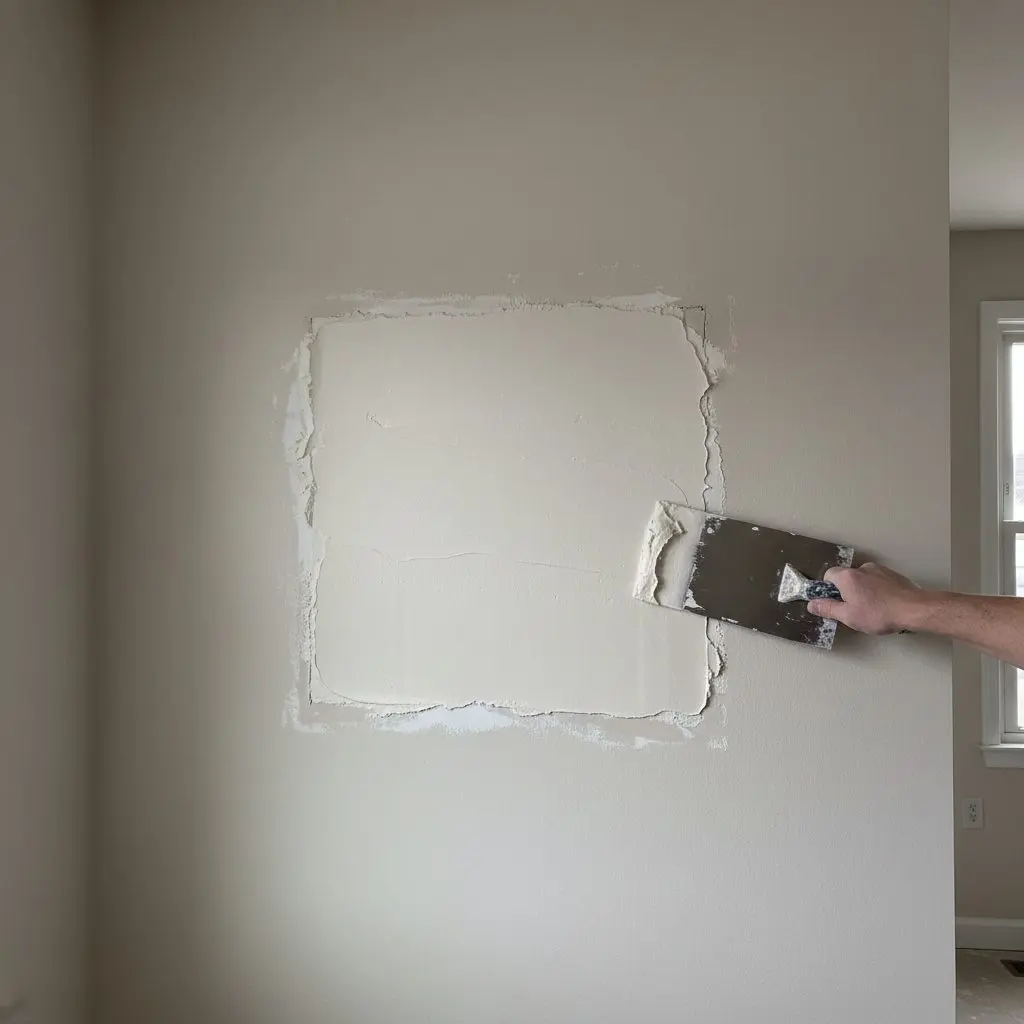
Repair is work on a surface that is already drywalled. Holes, dents, cracked corners, failed seams, nail pops and the openings other trades leave behind. If the framing is bare, that is drywall installation. If the board is stained or soft, the cause comes first and the job sits with water damage repair.
Somewhere near ninety repair calls a year, and the biggest share of them are corner cracks and popped fixings in houses put up between 1995 and 2010.
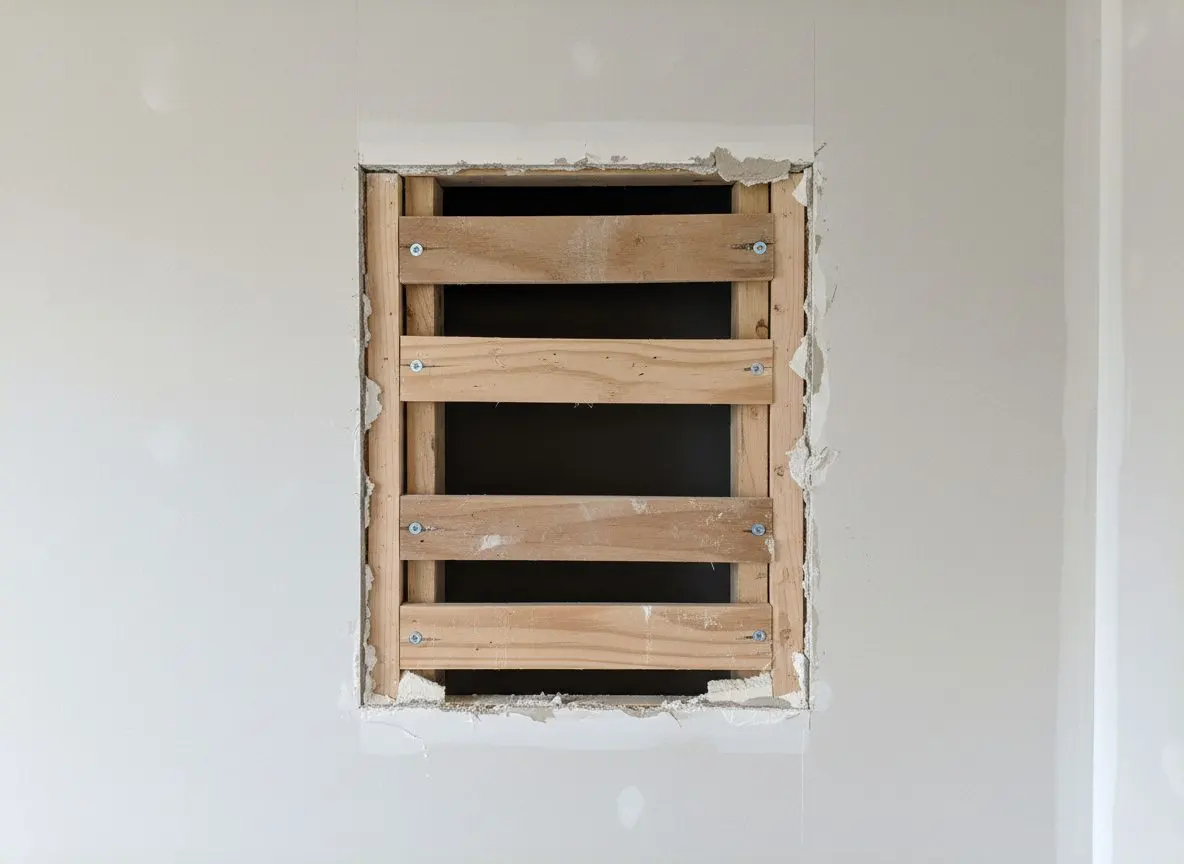
Holes and doorknob knocks are the most common call, then cracked internal corners, then failed seams down a long wall, then nail pops, then punch-out after a trade has been through. Every crack is cut open and re-taped with paper tape rather than filled, because filler in a moving joint is a repair with a date on it. Anything wider than a fist gets a piece of board backed onto blocking, not a mesh patch, so there is something solid behind the compound instead of a drum skin.
Somebody selling a house in Longfellow who has walked it with an agent and been given a list, and a landlord in West Fargo turning a unit round in four days between tenants.
Call for a free look at (701) 555-0132. You will go from moving a picture over the spot every time you rearrange a room to forgetting which wall it was on!
The small jobs most people put off for years
The small jobs most crews will not book, done properly rather than filled and forgotten.
- Holes, dents and doorknob knocks
- Nail pops and popped screws refixed
- Cracked internal corners cut out and re-taped
- Failed seams and lifting tape re-run
- Access holes after plumbing or wiring
- Texture matched into the repaired area
- Primed and left ready for paint
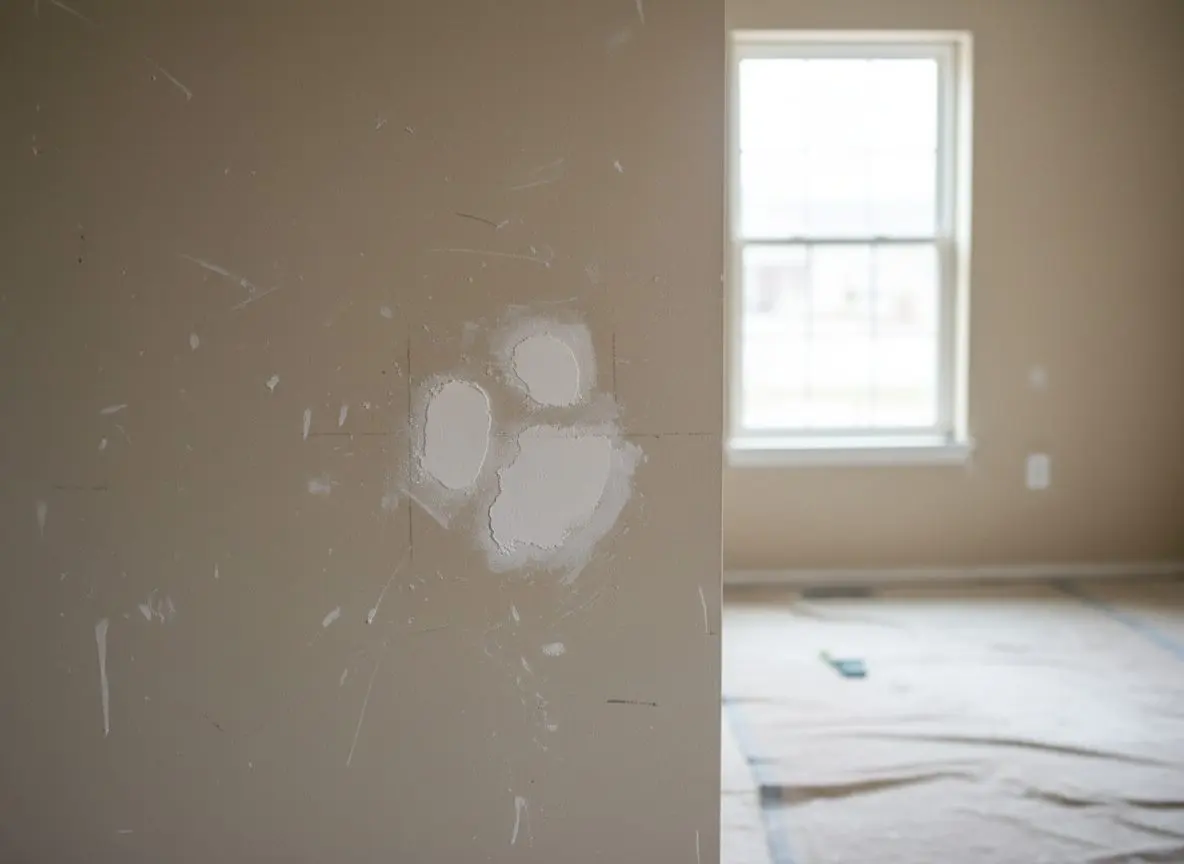
Patching the damage, or rehanging the whole wall
Almost nobody needs a wall rehung, and the people who do already suspect it.
Patch when the damage is in a handful of spots, the board around each one is dry and firmly fixed, and the surface is flat or carries a texture that can be matched. That is most holes, most corner cracks and every nail pop. A patched wall is finished and primed in two visits and costs a fraction of a reboard.
Reboard when the board is soft, when the tape has let go along most of a seam, when there are more than about a dozen repairs on one wall, or when the surface has been skimmed so many times it no longer sits in a plane. Patching a wall in that state buys a year and leaves you paying twice for the same room.
You will be told which of the two it is on the visit, standing in front of the wall, including the times it is a patch and a morning rather than a reboard and a week. A wall that only needs three repairs gets three repairs written on the scope.
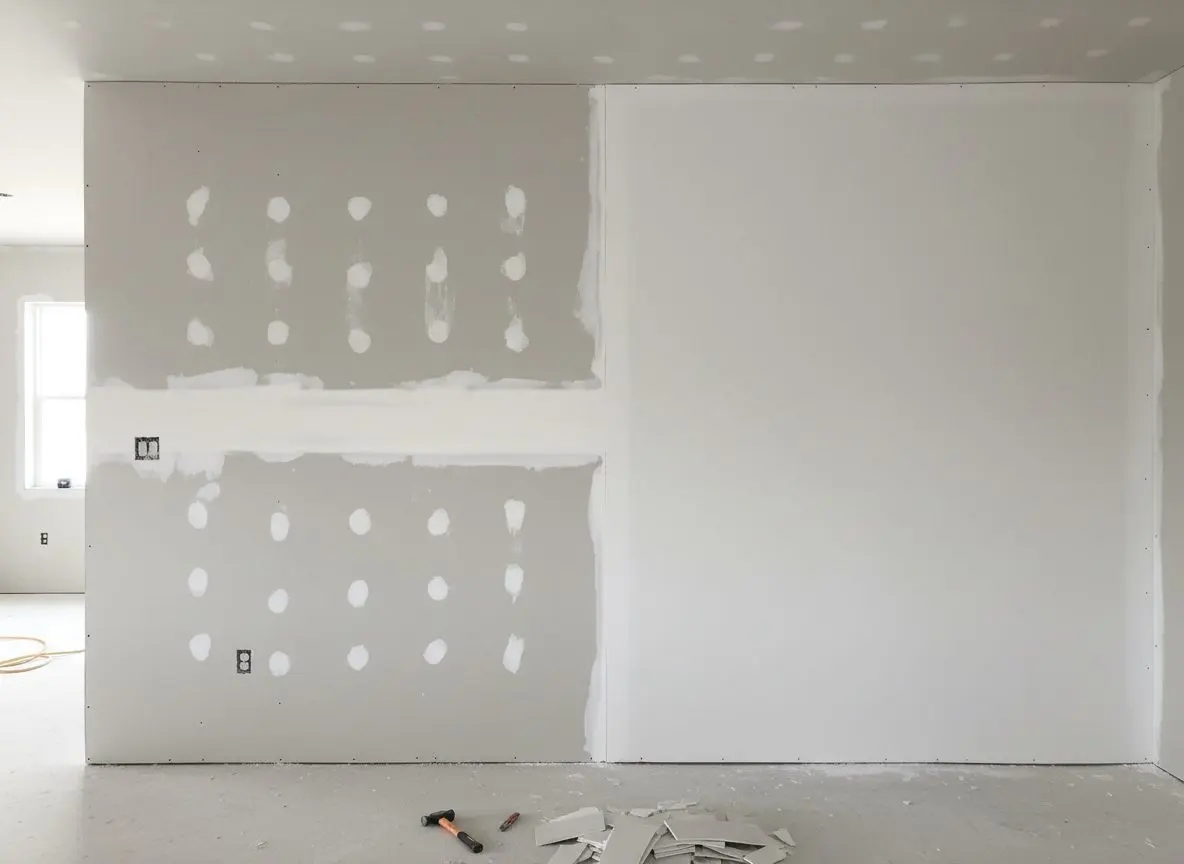
Why every crack is cut open instead of filled
Cut back to something solid, paper tape on every crack, three coats feathered a foot either side.
Cracks are cut open and re-taped with paper tape bedded in compound, never filled, because filler in a joint that moves is a repair with an expiry date on it.
Openings wider than a fist get board screwed to blocking or to plywood strips behind the cut, so the patch has something solid behind it rather than a paper skin. The first fill is a setting compound, which hardens chemically instead of by drying and shrinks far less in the low indoor humidity here.
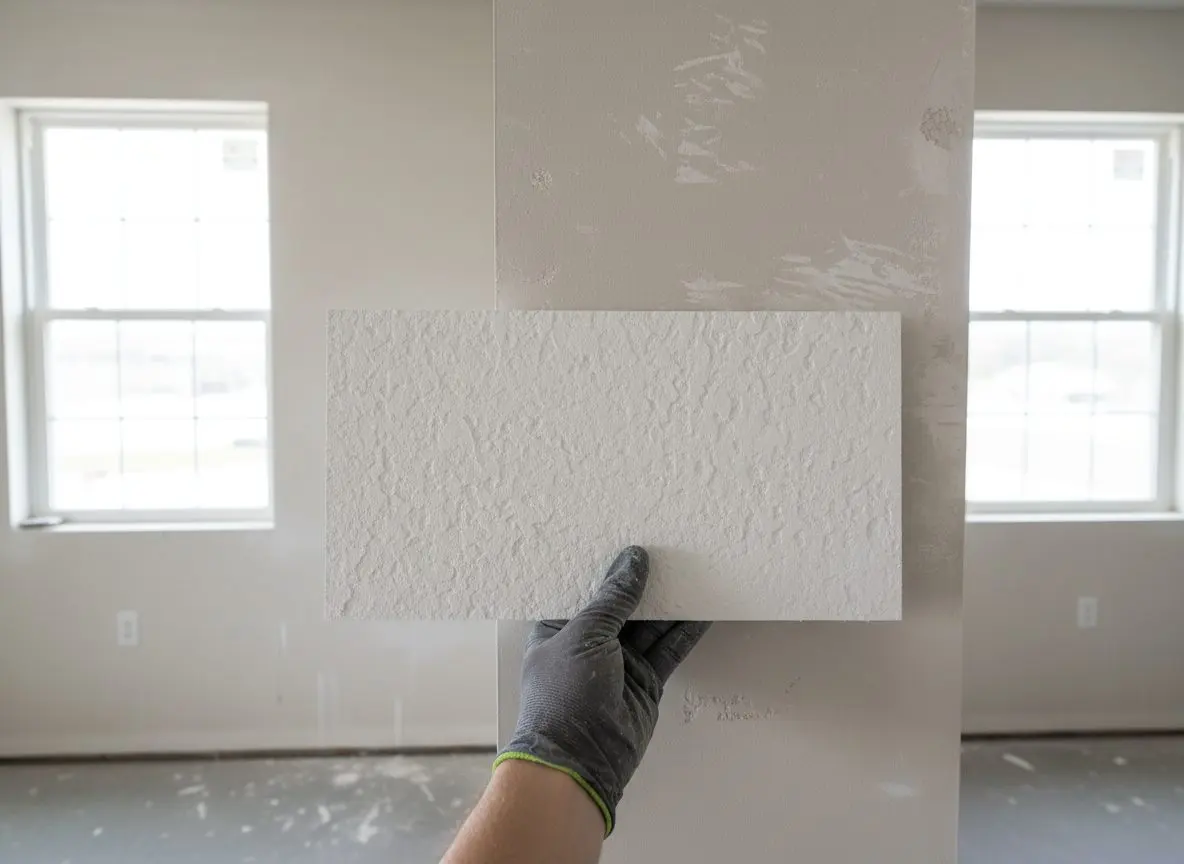
Coats two and three are all-purpose, feathered a foot either side, because a narrow feather is what makes a patch read as a flat rectangle when sun comes across the wall. Texture is tested on a sample board held against the wall first.
- Paper tape on every crack, never filler
- Board patches screwed to blocking, not mesh plates
- Setting compound for the first fill
- Three coats feathered a foot either side
- Texture tested on a sample board first
- PVA primer over every repair
Call and somebody will come out, measure the room and tell you which of these your job actually needs.
(701) 555-0132What moves the price on a drywall repair
Two holes the same size can be an hour apart. What the wall is textured with, and how many separate places you need touched, moves it far more than the size of the damage.
- How many separate repairs
- Five small repairs in one room cost less than five in five rooms, because a repair is mostly setting up, mixing and coming back between coats. Getting the whole list done in one booking is the real saving.
- Which texture already on the wall here
- A flat wall is quick. Orange peel is a spray and a test board. A hand knockdown or a swirl from the seventies takes sample boards, drying time between attempts and somebody with the knife action to match it.
- Whether the cause is still live
- A crack that keeps opening, a stain that keeps returning or a fixing that keeps popping means something behind the wall is moving or wet. That gets dealt with first, and it changes what the repair involves.
- Ceiling rather than wall
- Everything overhead takes longer. Compound has to be stiffer, coats go on thinner, staging goes up and comes down, and a ceiling repair is judged under a light fitting that rakes across it every evening.
- Height and furniture
- A repair in a stairwell or a vaulted room needs staging rather than a step, and a room full of furniture needs an hour of moving and covering before a knife comes out and an hour of putting back afterwards.
- Where the paint can stop
- A wall with a corner to break at can be repainted invisibly. A long open-plan wall, or a color nobody has the tin for, means either spot painting with a visible sheen change or painting a far larger area.
Which of these apply to your repair is settled when somebody has stood in front of the wall, not on the phone. Get a free quote
From the first phone call to a swept floor
Three to seven days on site for most houses, and the dust is over inside the first two.
Call and you will get a straight answer about how many days the room is out of use, before anybody quotes on it.
Get a free quoteWhat a list of small repairs costs you at the sale
A list of small repairs is the cheapest thing on a survey and the first thing a buyer reads as neglect.
There is no published figure for what patching a wall returns at resale, because no remodeling study prices repairs at all. Cost vs.
Value measures replacements and additions, and a crack over a doorway does not appear anywhere in it, so any percentage you are quoted on drywall repair has been invented. What is worth knowing is which decisions here still hold up.
Re-taping a corner rather than filling it, backing a patch onto blocking, and painting to the nearest corner instead of spotting the patch are the three that survive a buyer walking the room with the afternoon sun behind them. The three that do not are a mesh plate, a narrow feather and a texture matched by eye.
Cracks that open in March, and pops in the first winter
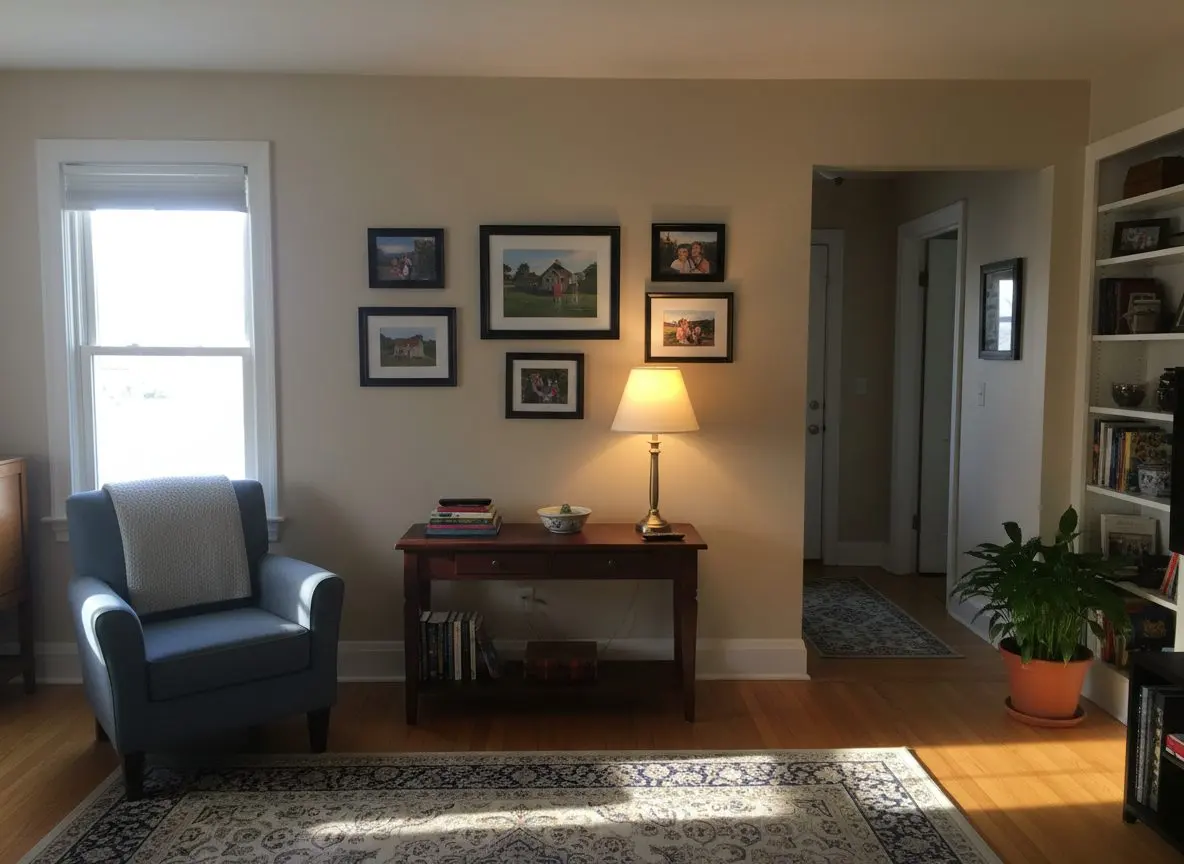
Corner cracks here open every March and close every August, fixings pop through the first heating season, and bead rusts behind the paint under old windows.
- Corner cracks open and close with the season
- Valley clay lifts and drops foundations through the year, so an internal corner crack in a house here is not a one-off. It opens in spring and closes by late summer, which is why a filled corner reappears and a properly re-taped one does not.
- Fixings pop in the first heating season
- Framing lumber gives up moisture fast once a house here is heated to seventy with outdoor air at ten percent humidity. The wood shrinks from the board and the screw head pushes through the compound. A first winter of pops is drying, not bad work.
- Corner bead rusts under old windows
- Single-glazed and early double-glazed windows here run with condensation for months. It soaks the return below the sill, and galvanized bead under the paint rusts and lifts the compound off in flakes. The bead has to come out, not be filled over.
Repairs done in Longfellow, Barnesville and Sabin
Six repair jobs from the last year, with the town each was in and the thing about it that decided how it was done.
-
Corner cracks re-taped for a sale
Longfellow
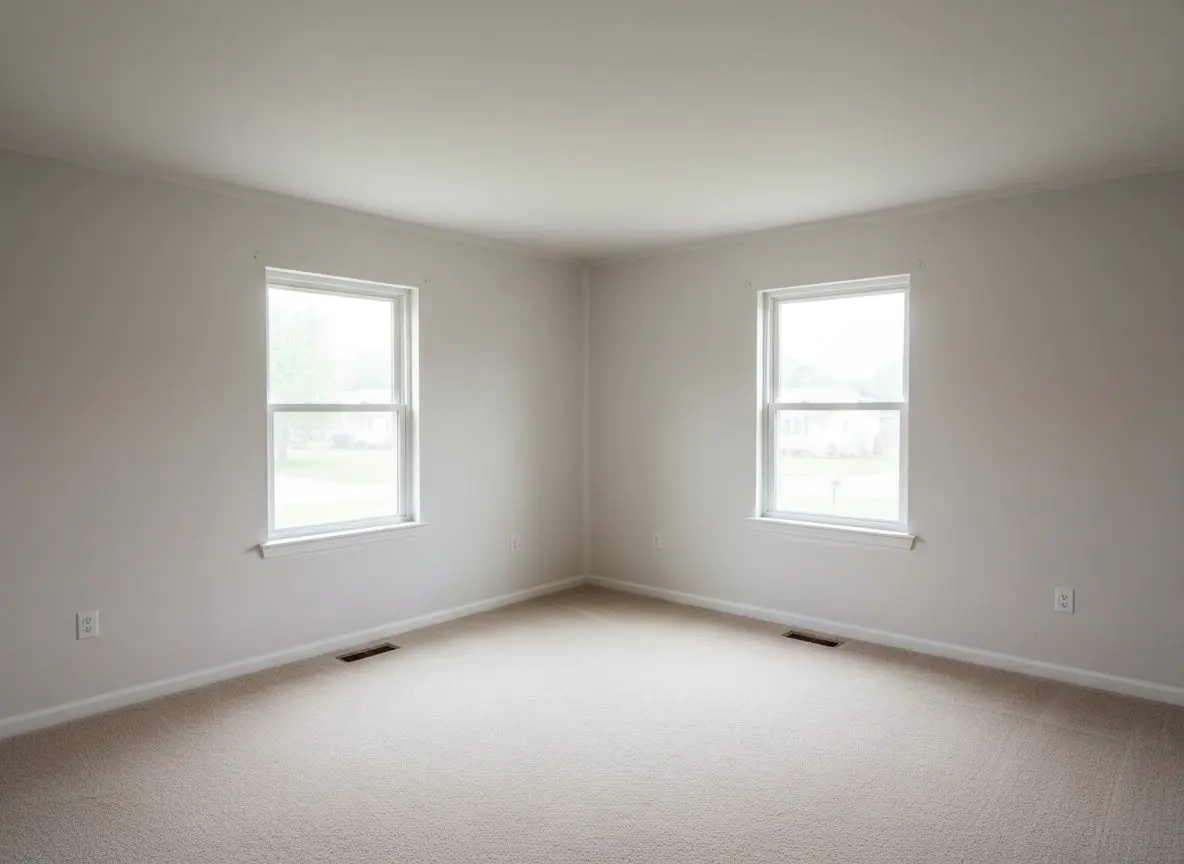
Eleven internal corners on a list from an agent. Every one cut open and re-taped rather than filled, then primed to the corner in each room.
-
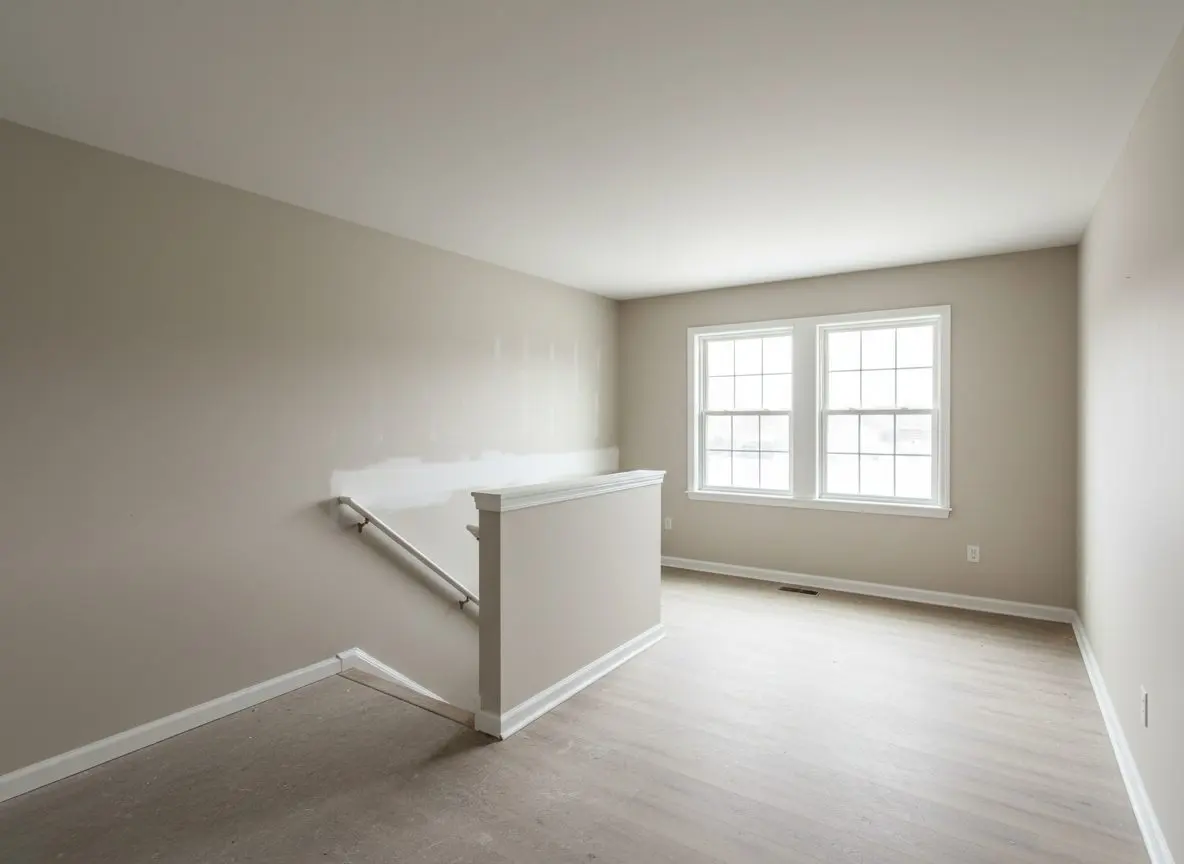
Stairwell hole backed and matched
Barnesville
A hole at half landing height that needed staging rather than a step. Backed onto blocking and the orange peel matched off a test board.
-
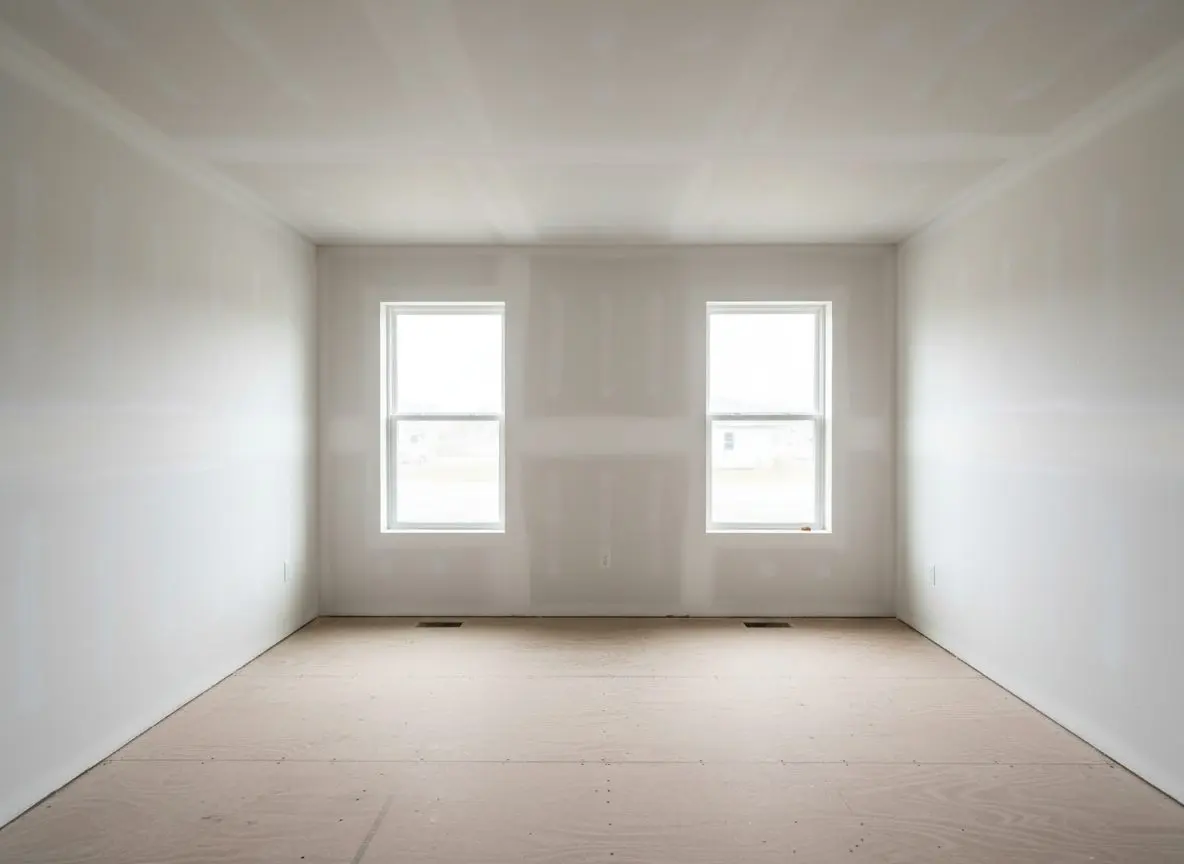
Nail pops through a first winter
Hawley
Around forty pops across new construction. Each one refixed with a second screw beside it, filled in two coats and spotted in before the walls were repainted.
-
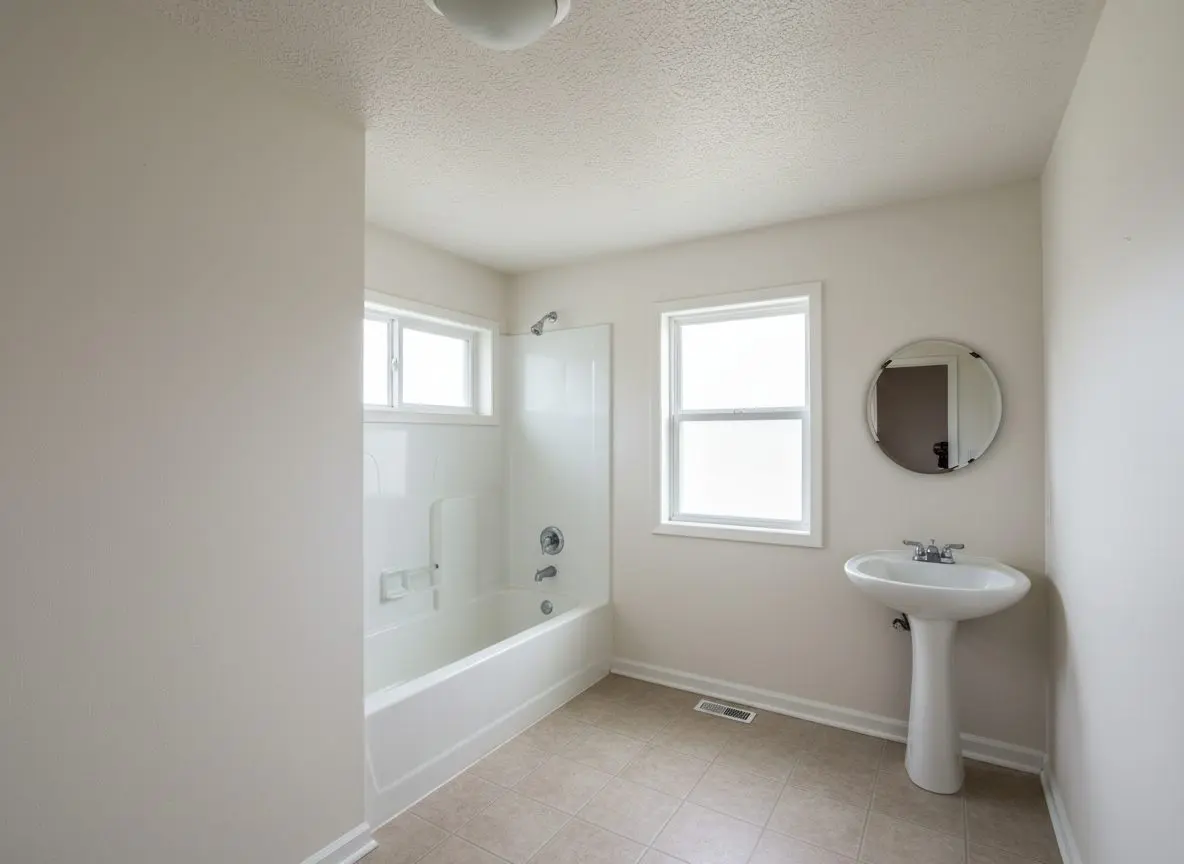
Ceiling opened for a plumber
Sabin
Four feet of ceiling out so a shower waste could be reworked, then hung back and the stipple matched into the rest of the room.
-
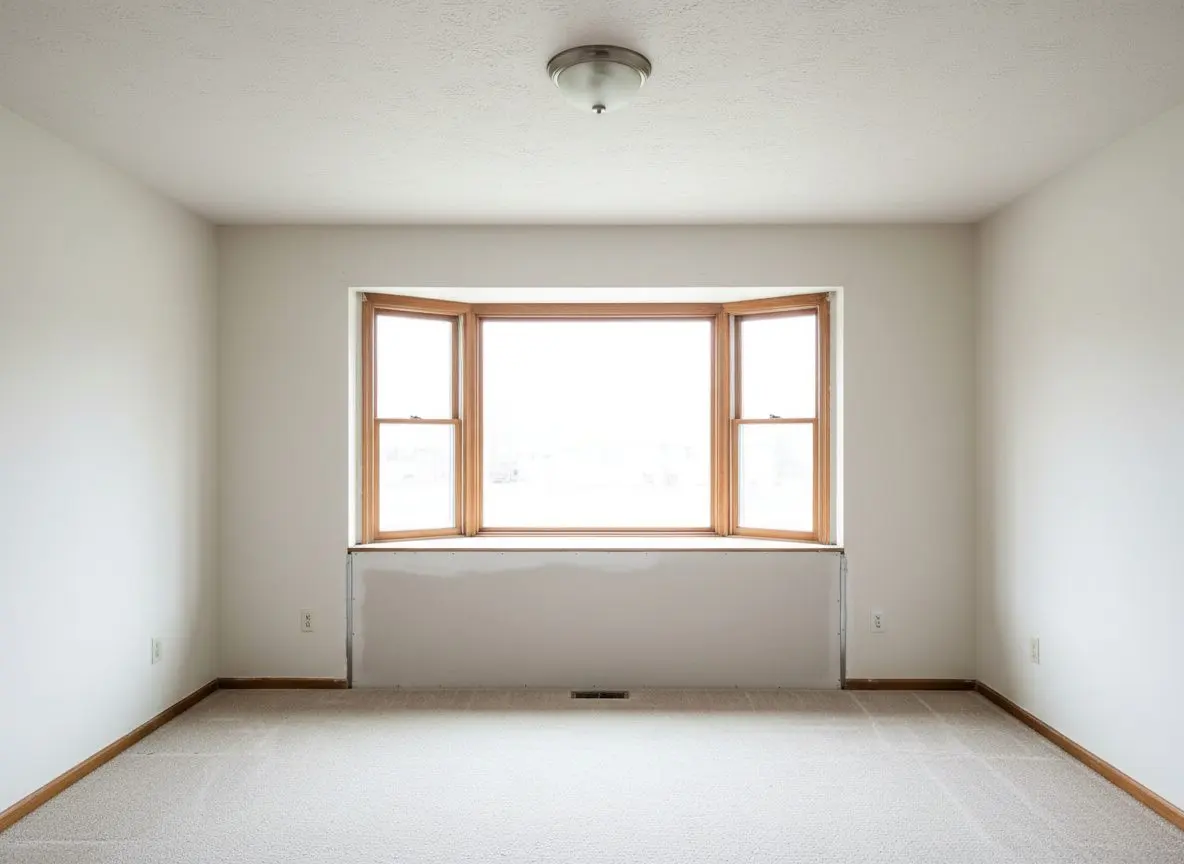
Rusted bead under a bay window
Madison
Twenty years of condensation had rusted the bead through below the sill. The bead came out, new one on, and the return rebuilt in three coats.
-
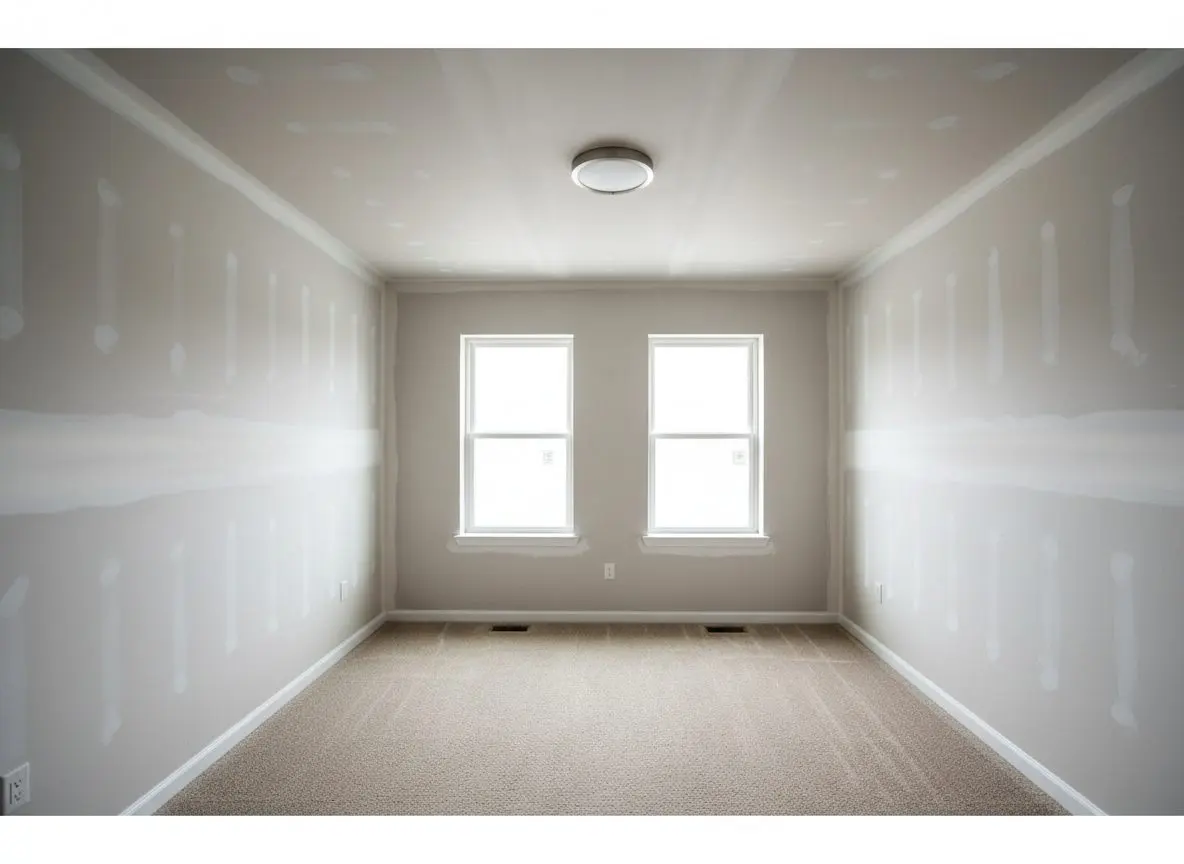
Rental turned round in four days
West Fargo
Nineteen separate repairs across two bedrooms and a hall, all booked as one job so the coats and the drying time only had to happen once.
What people said once the wall was painted back
-
Rated 5 out of 5
A pipe froze and split behind the laundry wall in January. Wet board out the same week and the wall back the next. No fuss and no guessing.
Travis O. Kindred Water Damage Repair -
Rated 5 out of 5
Basement of a 2019 build, framed and never finished. The crew found a header sitting out half an inch and stopped to shim it rather than board over it, which added a day. Worth the day.
Marit L. Mapleton Drywall Installation -
Rated 5 out of 5
I turn a rental over most Augusts and had used a different crew every time. This one was two rooms of knocks and a hole where a TV bracket pulled out. Two days, primed, and the sheen matches.
Deb S. Barnesville Drywall Repair
All three of these started as a phone call about one wall. Tell us what yours is doing and we will come and look.
Get a free quoteFAQs
Frequently asked questions
What people want to know before a patch job starts
Will you come out for one hole?
Yes, and it is a large part of what the repair crew does. A single hole is usually two short visits, one to cut it out, back it and fill it, and one to finish, sand and prime. If you have a second thing you have been ignoring, say so on the phone and it goes on the same visits.
Can you repair a textured ceiling from the seventies?
Usually, and the first question is what the texture is made of. Anything sprayed before about 1980 gets tested for asbestos before a scraper or a sander touches it. Once it is cleared, a swirl or a stipple from that era is matched by hand off a sample board rather than out of a spray gun.
Do you touch up the paint over the repair?
We prime every repair, which is part of the job, and we will paint if you want it in the scope. Most people either paint it themselves or have a painter already. Where the wall has a color nobody can match, the honest answer is to paint to the nearest corner rather than spot it.
Do you fix the plumbing leak as well?
No, and we will not patch over one either. If there is a live leak behind the wall you need a plumber first, and we will tell you what we can see and open enough board for them to work. Once it is fixed and the cavity has dried, the board goes back and the repair holds.
Can a hole be finished in one visit?
Rarely, and anybody promising it is skipping a coat. Compound needs to dry between coats, and in a heated house here that is a few hours for the first and longer for the fill. A small hole is a visit to cut and fill, then a second to finish and prime, usually two days apart.
Do I have to redo the whole wall to hide a patch?
Not usually. A patch that is cut square, backed onto blocking, feathered wide and textured off a sample board disappears on a flat or lightly textured wall. Whole-wall skimming is the answer where there are many repairs, or where a heavy hand texture will not match into a small area.
Is one big hole cheaper than five small ones?
Usually yes, which surprises people. The cost is in setting up, mixing, waiting for coats and coming back, and one large repair carries that once while five small ones in different rooms carry it five times. Five in one room is much closer to the price of one.
How much of the room has to be emptied?
About four feet of clear floor in front of the wall, and anything on that wall taken down. Everything else gets covered rather than moved. For a ceiling repair the room does need clearing properly, because sanding overhead puts dust on every horizontal surface underneath it.
Why not just use a patch kit from the store?
On a small nail hole they are fine. On anything bigger, a stick-on mesh plate leaves a raised drum of compound with nothing solid behind it, and it shows as a soft square under side light within a year. The kit saves the backing, and the backing is the part that makes the repair last.
Do you need to get behind the wall?
Only where something has to be inspected or backed. Most patches are backed from the front through the hole itself, using blocking or plywood strips fed in and screwed off. Where a wire or a pipe sits right behind the damage the opening gets made bigger so nobody is cutting blind.
How soon can I hang a picture back up?
Once the primer is dry, so the day after the last visit. Fix into a stud rather than into the repair itself, because compound holds a plug about as well as chalk does. If the picture has to go exactly where the patch is, say so and blocking goes in behind it while the wall is open.
Will the repair be invisible or just close?
On a flat or lightly textured wall, invisible once painted to the corner. On a heavy hand texture, close enough that a visitor will not find it and you may, in raking light, if you know where to look. You will be told which of those two you are getting before anybody starts.
Fargo Drywall Elite
The book runs three to four weeks out, and a leaking ceiling jumps to the front of it.
Fargo Drywall Elite hangs, tapes, finishes and textures board across Fargo and the Red River Valley towns around it, in houses, additions and commercial units alike. Three crews finish around a hundred and eighty jobs a year, working through winters most trades slow down for. Trading here since 2009.
Why a crew that knows a Fargo winter makes the difference
- Seventeen years hanging board through Red River Valley winters, since 2009
- A measure on site before anything is priced, never a number guessed over the phone
- The scope is written down so you can hold it against the other two quotes
- Compound sets fast in dry winter air, and the coats are timed for it
- Every surface is primed before we leave, so your painter is not the one who finds a defect
If a ceiling is staining after the melt, a wall needs drywall from scratch, or a room just needs finishing off, call (701) 555-0132 and somebody will come out and measure it. You get the scope in writing before any board is cut, and the schedule accounts for the drying time a Fargo winter actually needs.
Give us a call
Send us a message
1630 1st Ave N, Ste B, Fargo, ND, 58102
Where to find us