
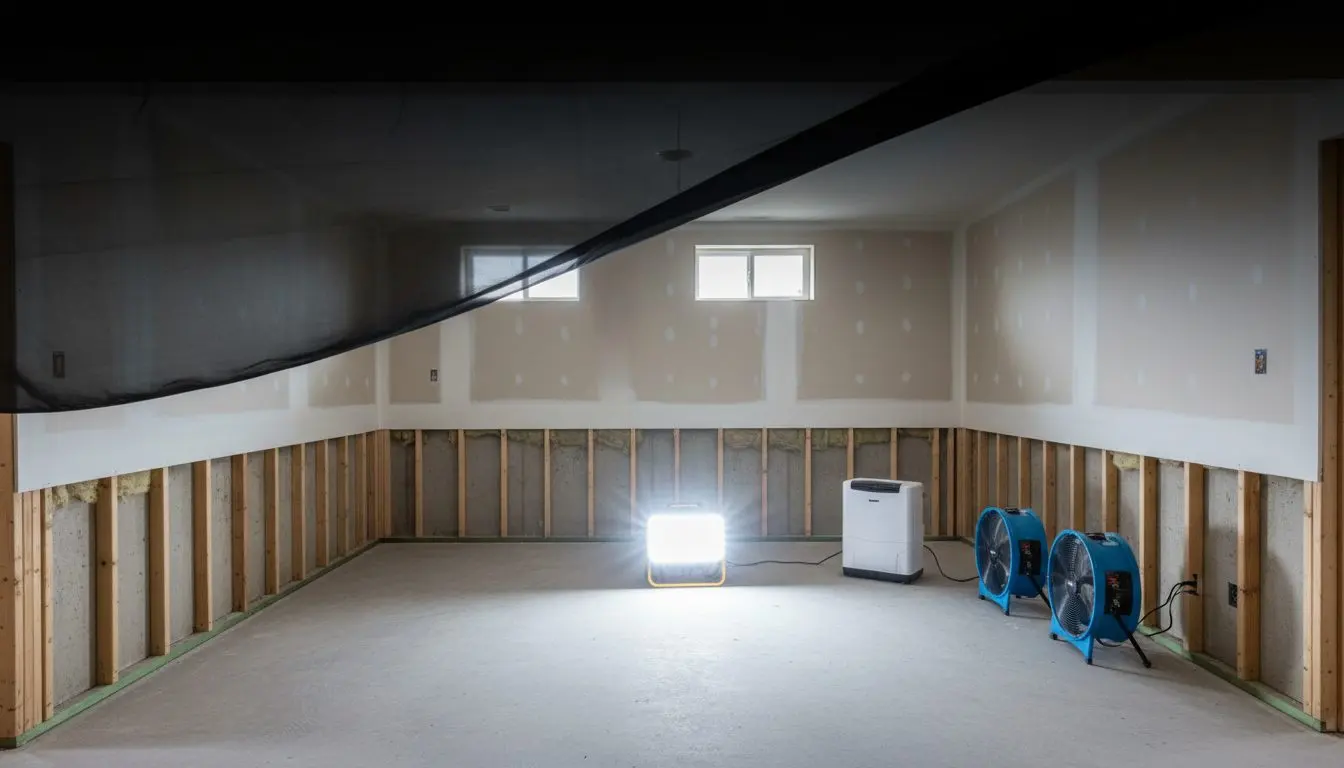
Water Damage Repair in Fargo
Water Damage Repair in Fargo, Moorhead and West Fargo
Cavities opened and dried to a meter reading, soaked insulation replaced rather than dried in place, and paperless board back on below grade.
Walls that read dry on a meter before board goes back
You end up with a wall that reads dry on a meter and a room with no line anywhere showing where the water stopped.
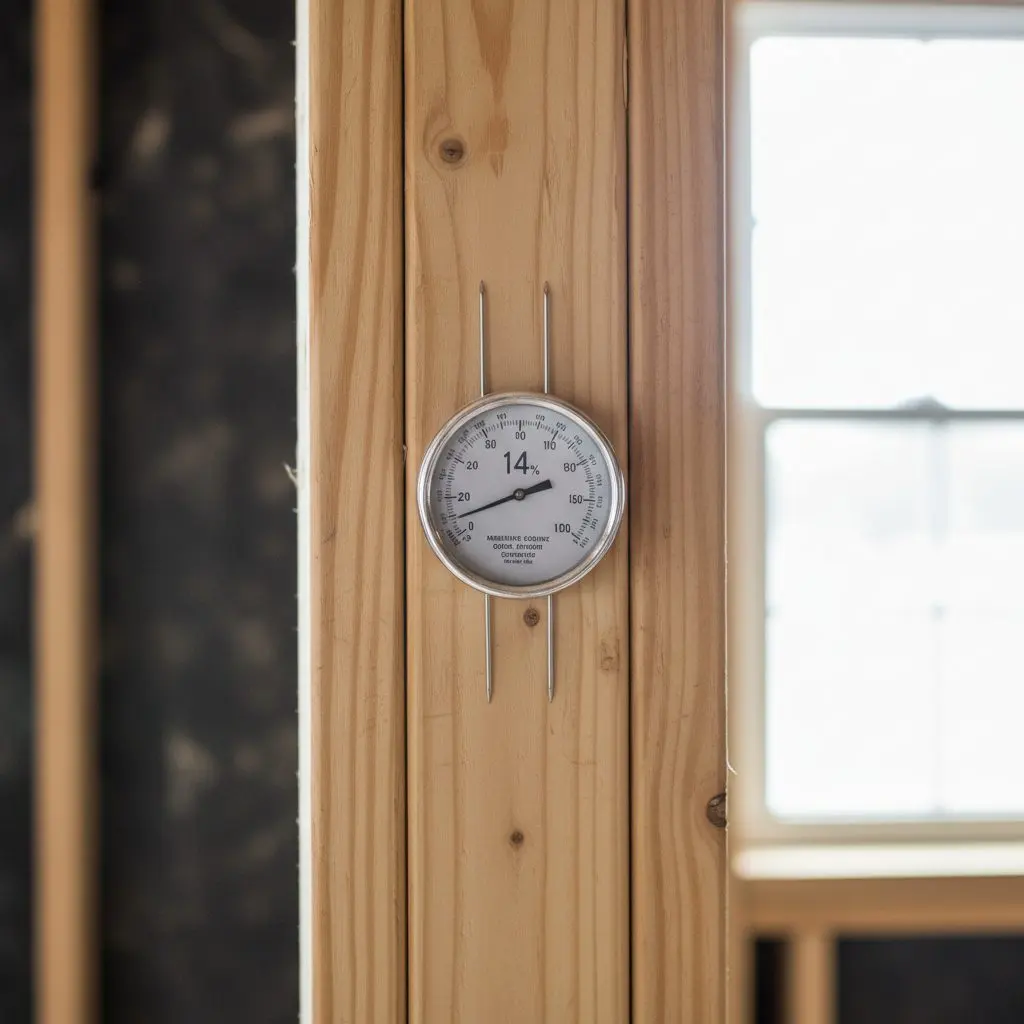
Water damage repair is board that has been wet. Basements after a spring crest, ceilings under an ice dam, walls opened after a supply line has let go, and anything soft or bubbling. The cause belongs to a plumber and it comes first. A dry hole with no history behind it is drywall repair, and bare framing is drywall installation.
Around thirty-five water jobs a year, and they arrive in two short seasons, the first thaw in March and the first hard freeze in December.
Basements after spring water is the most common call, then ceilings under an ice dam, then walls opened where a supply line has frozen inside an outside wall, then punch-out after a failed appliance. Nothing goes back on until a meter reads the framing and the sheathing under sixteen percent, and the readings go on the scope with the date they were taken. Board put back over a cavity still holding water is a repair that returns as a stain and a smell in the same wall within a year.
Somebody in West Fargo who has come down to two inches of water across a finished basement in April, and a landlord in Moorhead whose upstairs tenant let a washing machine hose go on a Friday.
Call for a free inspection at (701) 555-0132. You will go from opening the basement door every morning to check on it to forgetting the room was ever wet!
Flood cuts, drying, paperless board and a primed wall
The whole job from the wet board coming off to a primed wall, on one crew and one written scope.
- Wet board cut out and carried away
- Flood cuts made above the water line
- Soaked insulation and barrier replaced
- Cavities dried and metered before board
- Paperless glass-mat board below grade
- Ceilings opened up after an ice dam
- Taped, matched into the room and primed
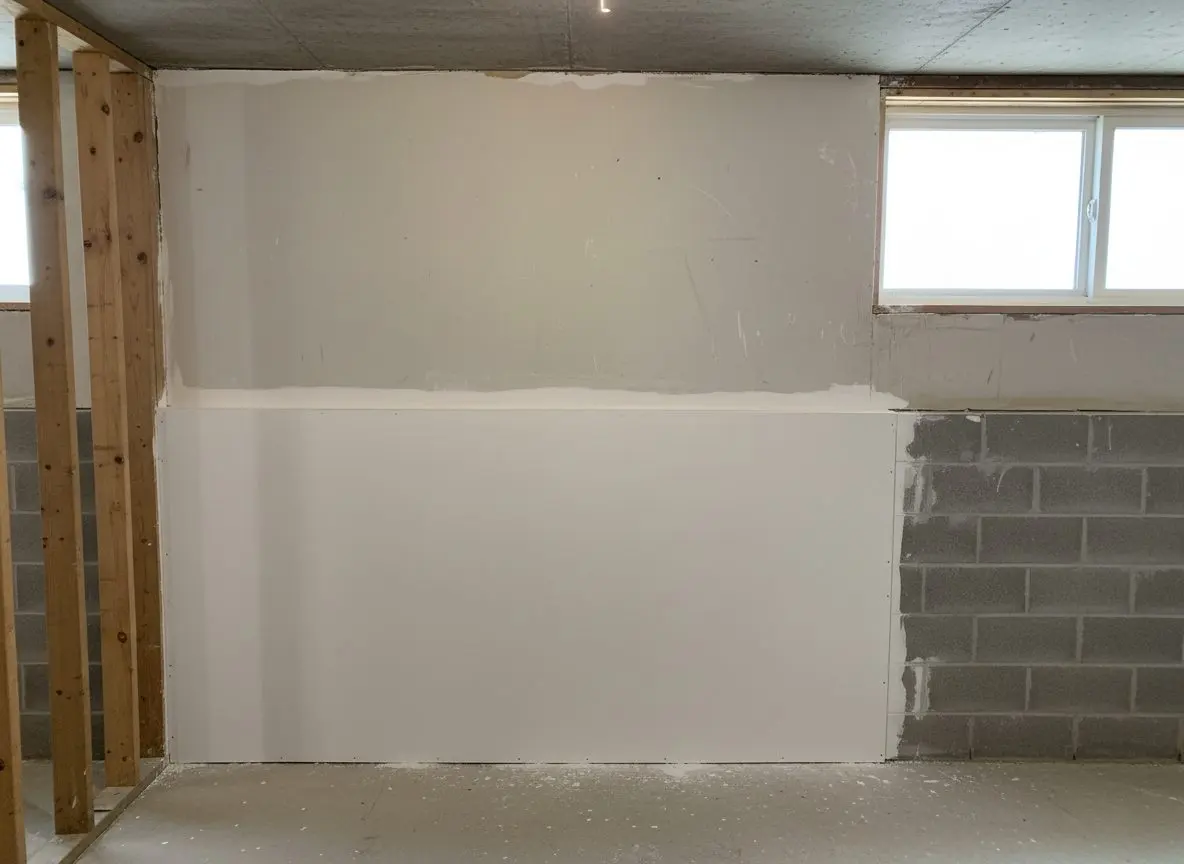
Drying the wall where it stands, or cutting it open
A wall that got wet yesterday can usually be dried in place, and most people assume it cannot.
Dry it in place when the water was clean, when it has been wet for a day or two rather than a week, when the board is still firm to a knuckle and when nothing behind it is holding water. Holes go in low behind the baseboard, air movers push through the cavity and a dehumidifier runs until the meter agrees.
Cut it open when the board is soft or the paper has bubbled, when a poly vapor barrier is holding water against the back of it, when the insulation is soaked, or when the water was anything other than clean. Drying a wall with wet batts behind it dries the surface you can see and leaves the cavity wet.
You will be told which of the two it is on the visit, with a meter on the wall and the readings shown to you, including the times it is a fan for three days rather than a tear-out. If the wall can be dried, that is what the scope says and it is the smaller invoice.
Nothing goes back until the meter says so
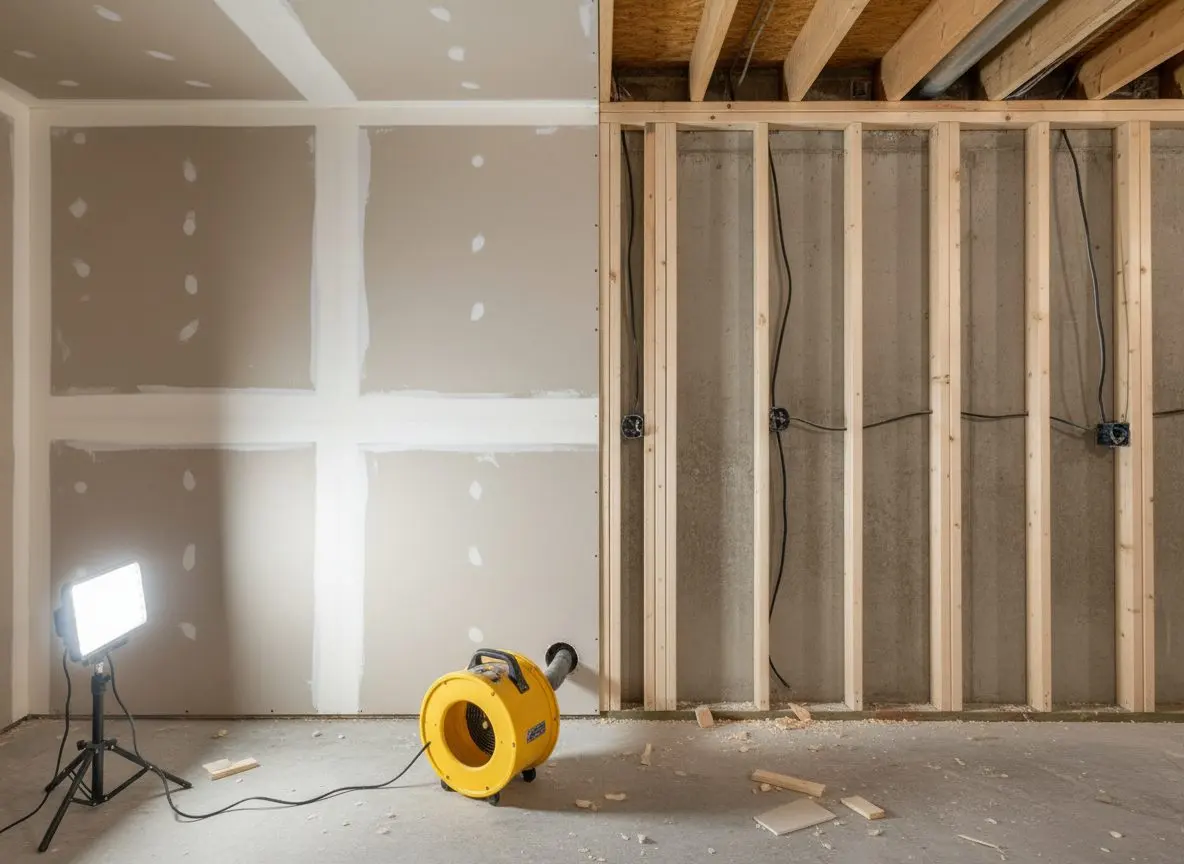
Framing metered under sixteen percent before board, flood cuts above the line, paperless below grade.
Nothing goes back on a wall until a pin meter reads the framing and the sheathing under sixteen percent, and the readings are written on the scope with the date and the room.
Board is cut off in a straight line above the high water mark and taken back to the framing rather than torn to the edge of the damage, so the new sheet lands on a stud and the joint sits where a joint belongs.
Soaked batts and blown fiber are bagged and replaced rather than dried in place, because fiber that has been wet holds water at the bottom of the cavity long after the surface reads dry. Below grade the board is paperless glass-mat, and cutting is done under containment with a negative air machine running.
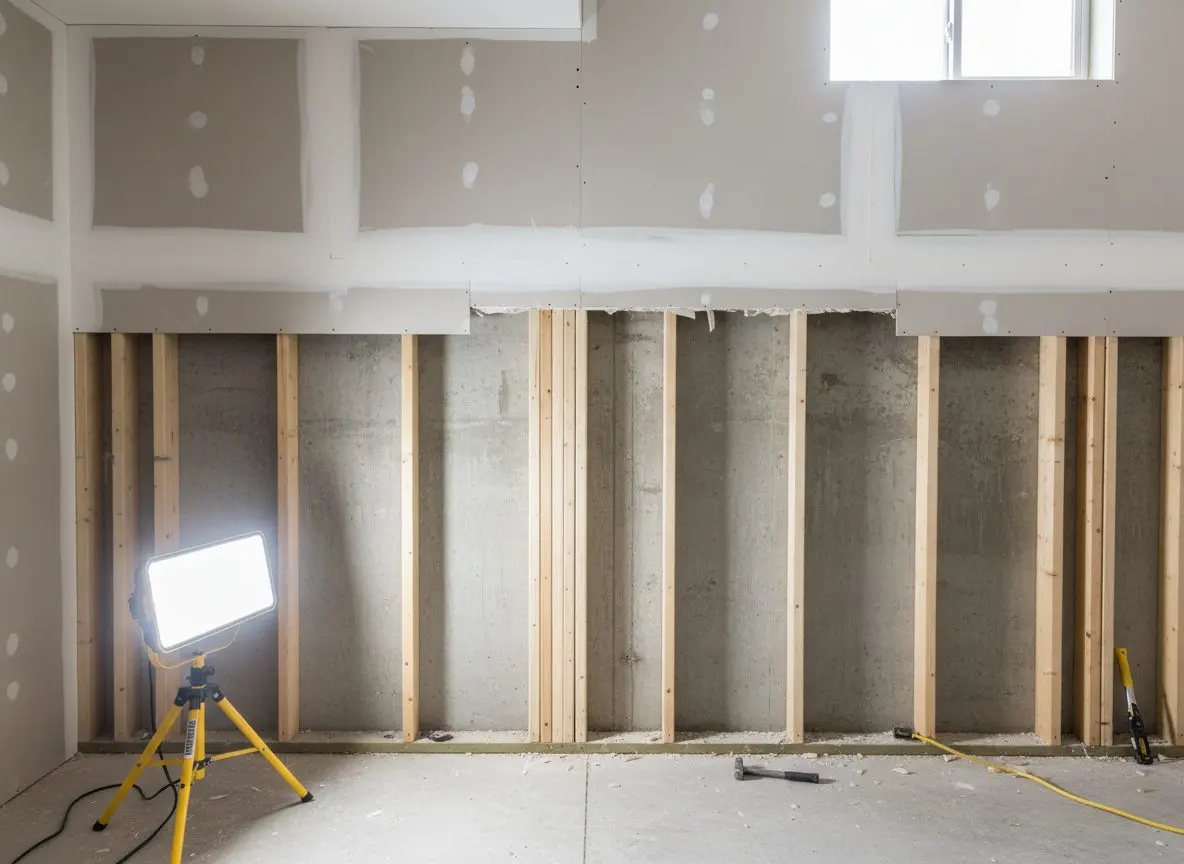
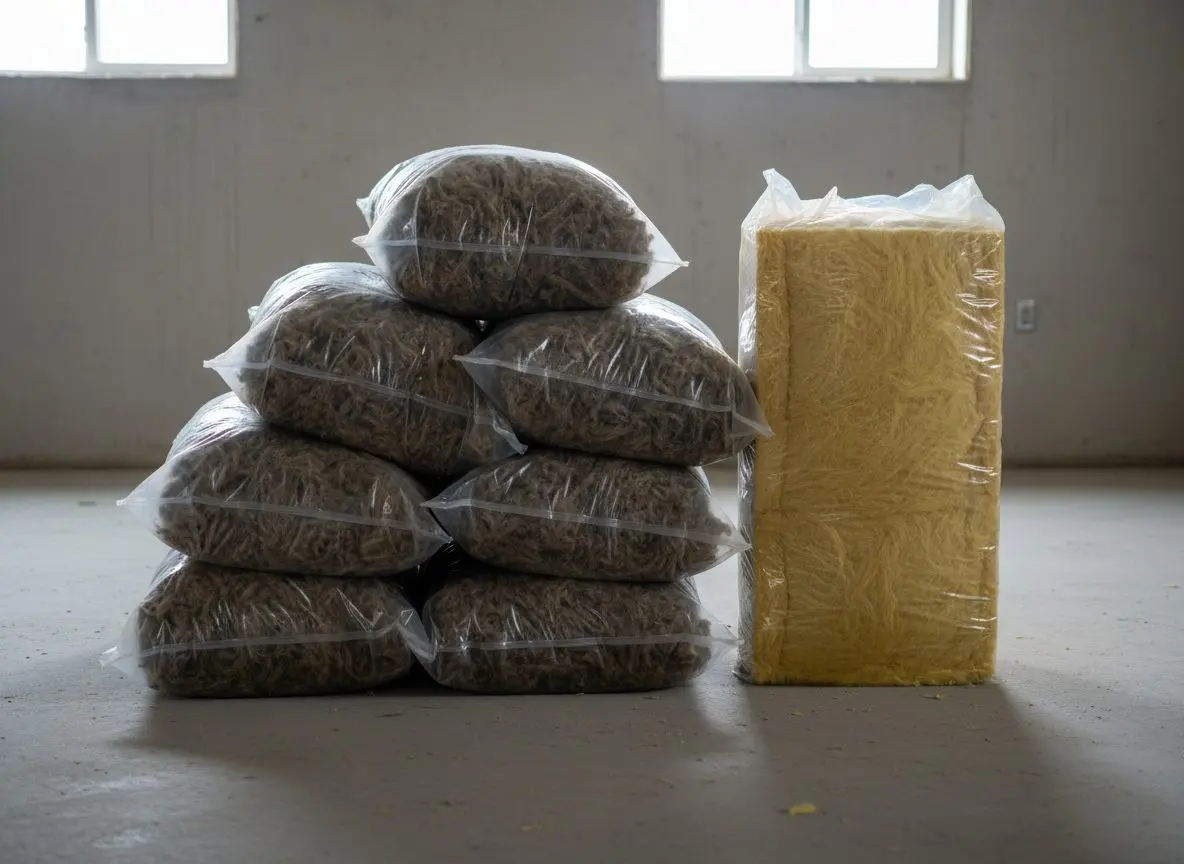
- Framing metered under 16 percent before board
- Flood cut back to framing above the line
- Paperless glass-mat board below grade
- Wet batts replaced, never dried in place
- Containment and negative air while cutting
- Meter readings written and dated on the scope
Call and somebody will come out, measure the room and tell you which of these your job actually needs.
(701) 555-0132What moves the price on a water damage repair
Two rooms that took the same water can be a week apart. How long it sat before anybody saw it, and what is behind the board, move the number far more than the wet area does.
- How long it had been wet
- Water found on the day is a drying job. Water that has sat behind a finished wall for two weeks is into the insulation, the bottom plate and the subfloor, and none of that dries through a sheet of board.
- How far the water traveled
- Water runs along a bottom plate and under a partition, so the wet area is almost always wider than the stain. Meter readings across the room decide the length of the cut, not where the mark on the wall stops.
- What is behind the board
- fiberglass batts and blown fiber are replaced. Rigid foam is washed and put back. A poly barrier holding water against the board doubles the drying time, and none of it is known until the first sheet comes off.
- Clean water or contaminated
- Clean supply water lets material be dried and reused. A sewer backup or river water means everything porous below the line comes out and goes, however it looks, and the room is worked under containment.
- Whether the cause is fixed
- A live leak or a roof still letting water in stops the job before it starts. Board that goes back over a cause still running is paid for twice, so the plumber comes first and the timing follows theirs.
- Drying time before rebuild
- The kit runs until the meter agrees, which is three days in a warm room and can be two weeks in a cold basement in March. That waiting is the part of a water job that people do not expect to pay for.
Which of these your room carries is settled once somebody has been over it with a meter, rather than from a description on the phone. Get a free quote
From the first phone call to a swept floor
Three to seven days on site for most houses, and the dust is over inside the first two.
Call and you will get a straight answer about how many days the room is out of use, before anybody quotes on it.
Get a free quoteWhat a dated meter reading is worth at the sale
A room that has been wet is worth what somebody believes about it, and belief is what the readings buy.
No remodeling study prices water damage repair, because no report measures putting a room back to where it already was. Cost vs. Value measures additions and replacements, so any percentage return quoted on a flood cut has been made up. What matters at resale is that the work can be shown rather than described.
A dated set of meter readings, paperless board below grade and one vapor barrier on the warm side are three things a buyer's inspector can check and a seller can hand over. A wall rebuilt in paper-faced board over insulation nobody replaced is the one that costs money later.

The spring crest, split supply lines and thaw backups
The spring crest pushes water through basement walls, supply lines freeze inside outside walls in January, and a thaw backup is contaminated water.
- The spring crest arrives through the wall
- When the Red River comes up, the water table in the valley clay comes up with it, and finished basements take water through the wall and floor joint rather than a door. It arrives low and slow, and the first sign is usually a soft baseboard.
- Supply lines freeze inside outside walls
- A pipe run in an exterior wall on the north side of a house here freezes in a cold snap, splits, and lets go when it thaws. Water runs down inside the cavity, so the board is wet from behind and the first mark on the paint is well below the break.
- A thaw backup is contaminated water
- Ground frozen in March sends meltwater into the sanitary system rather than the soil, and basements take it back up through a floor drain. That is category three water, so board, batts and anything porous below the line come out rather than dry.
Wet rooms put back in Harwood, Dilworth and Moorhead
Six water jobs from the last year, with the town each was in and what the meter found once the board came off.
-
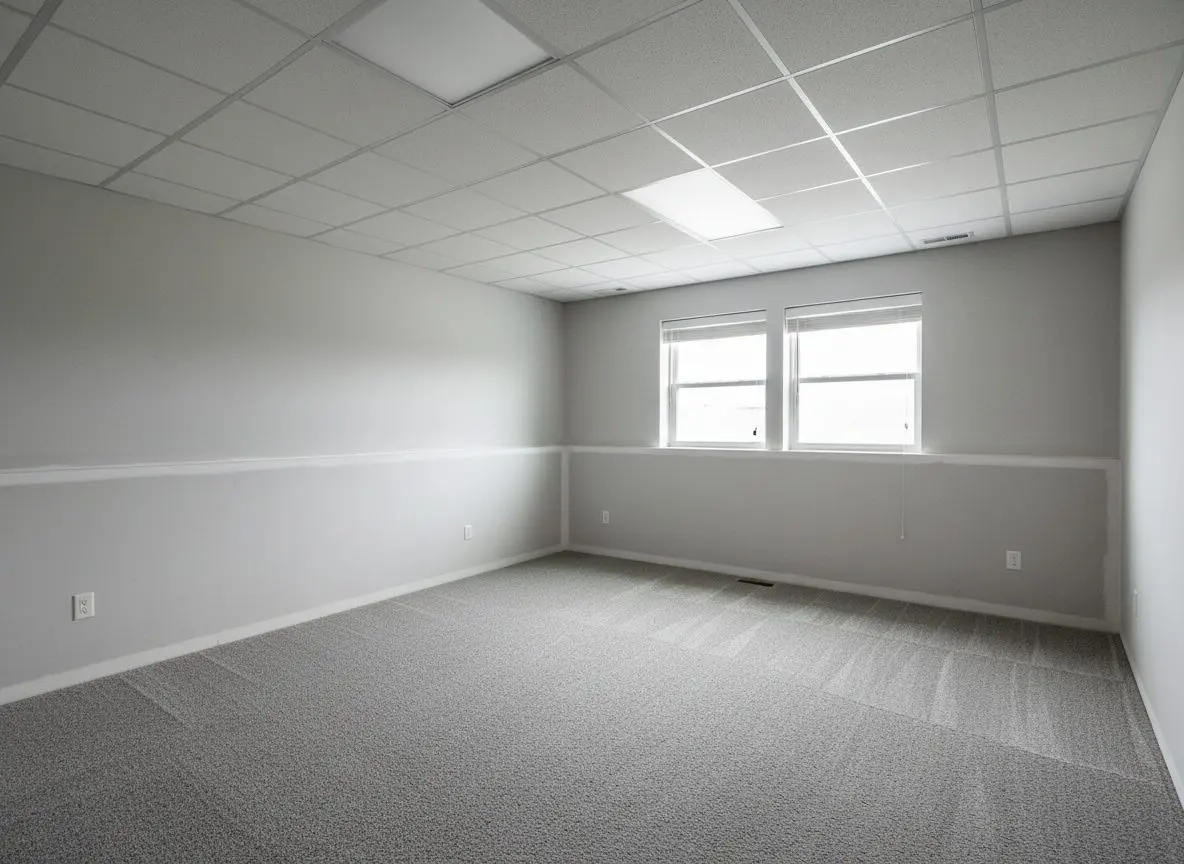
Basement flood cut after the crest
West Fargo
Two feet off around the whole perimeter, batts bagged and replaced, and paperless glass-mat back on below the old water line.
-
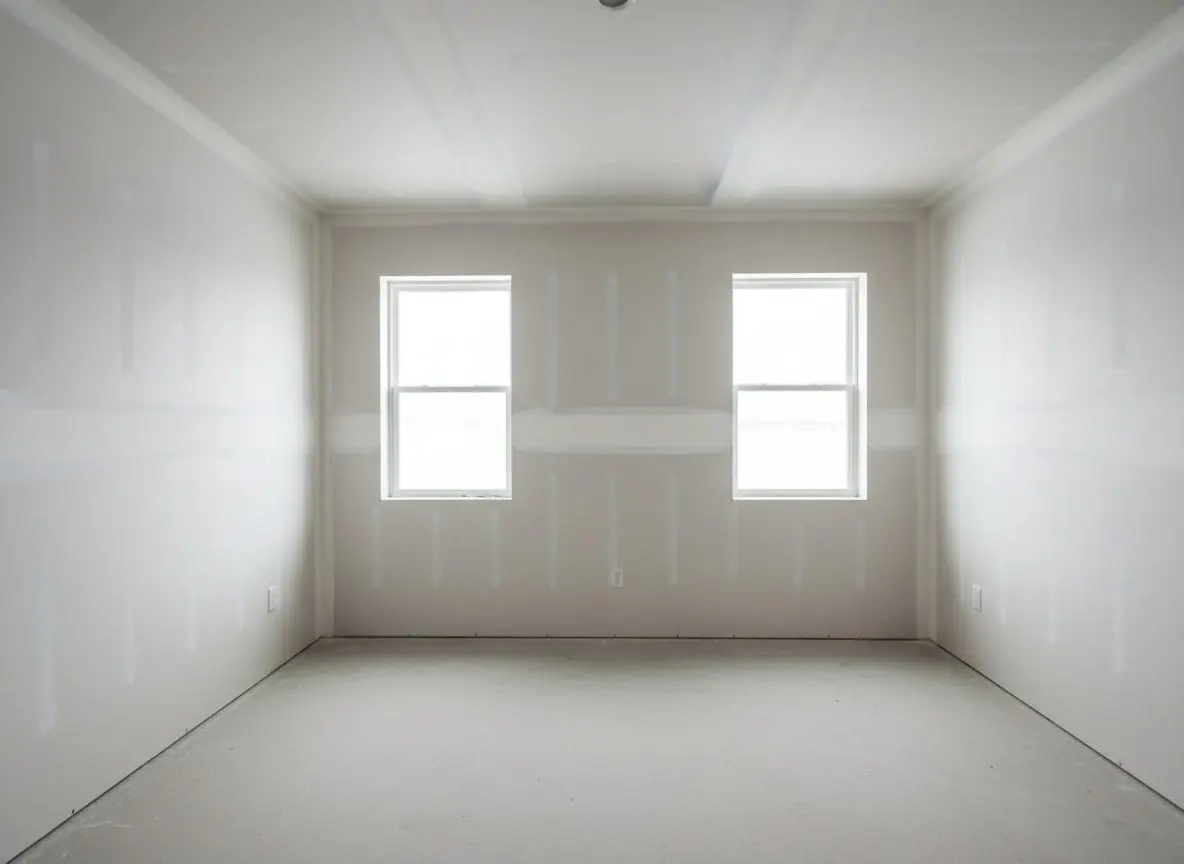
Burst line inside a north wall
Moorhead
The split was six feet above the first mark on the paint. The whole cavity came open, because the water had run down inside it for a day.
-
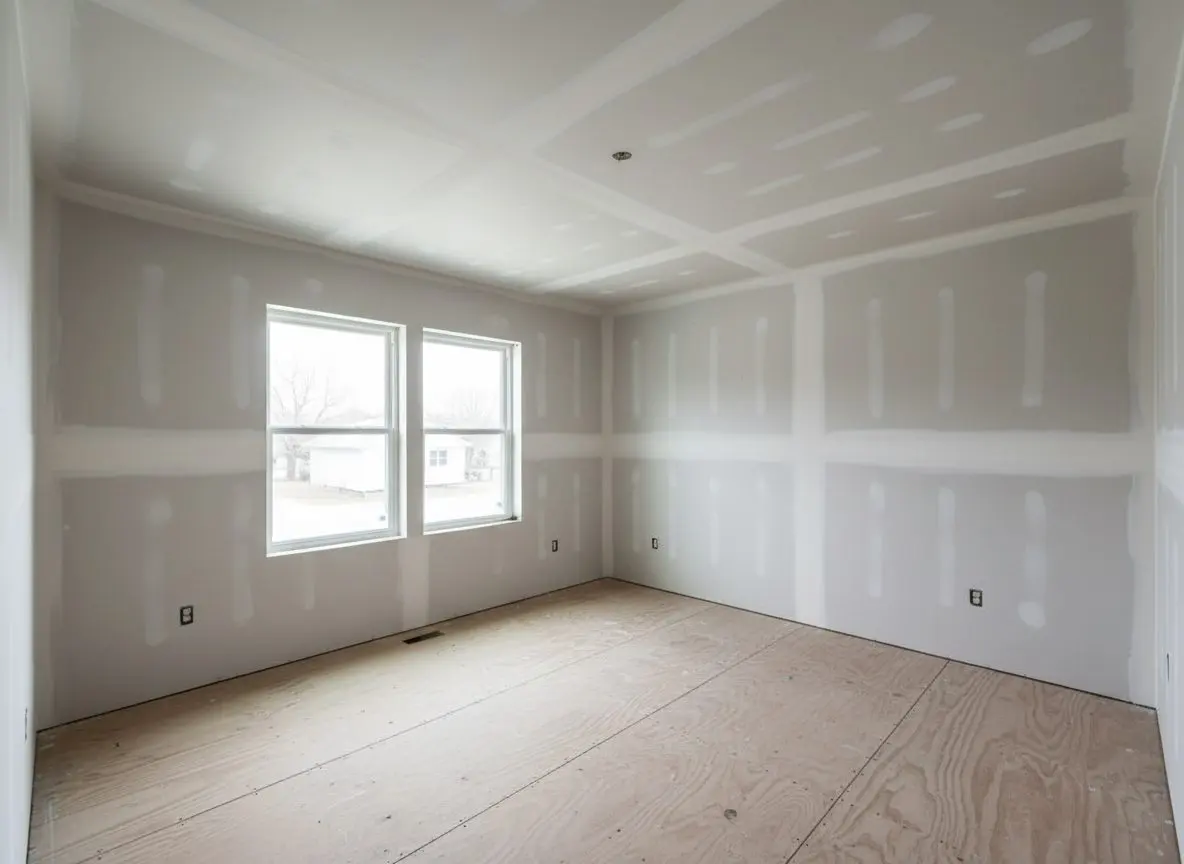
Ceiling out under an ice dam
Barnesville
Four joist bays opened, wet insulation replaced and the ceiling left open a further week until the sheathing above it metered dry.
-
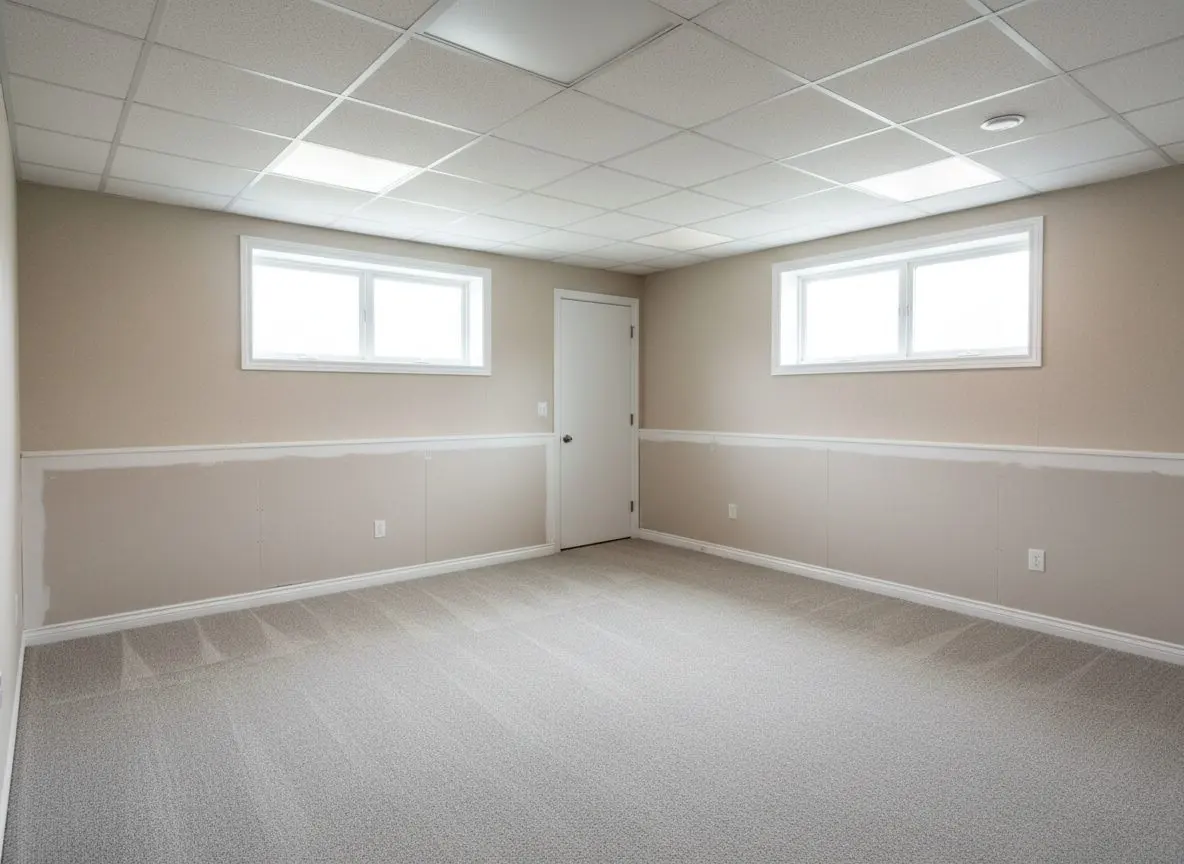
Sewer backup in a finished basement
Dilworth
Everything porous below the line out under containment, framing cleaned and metered, then rebuilt with a removable base panel.
-
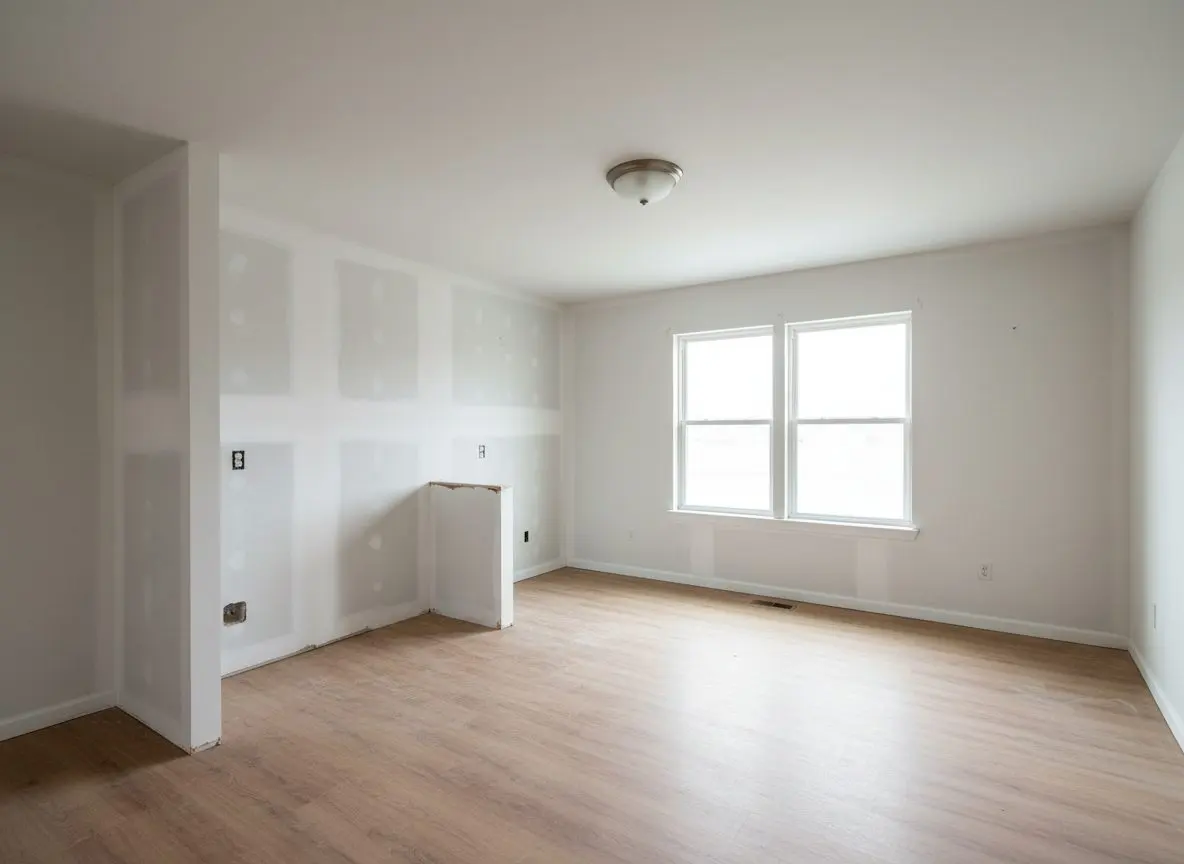
Appliance leak behind a kitchen
Horace
A dishwasher supply that had wept for months. The cabinet wall and two feet of the partition behind it came out and were dried before hanging.
-
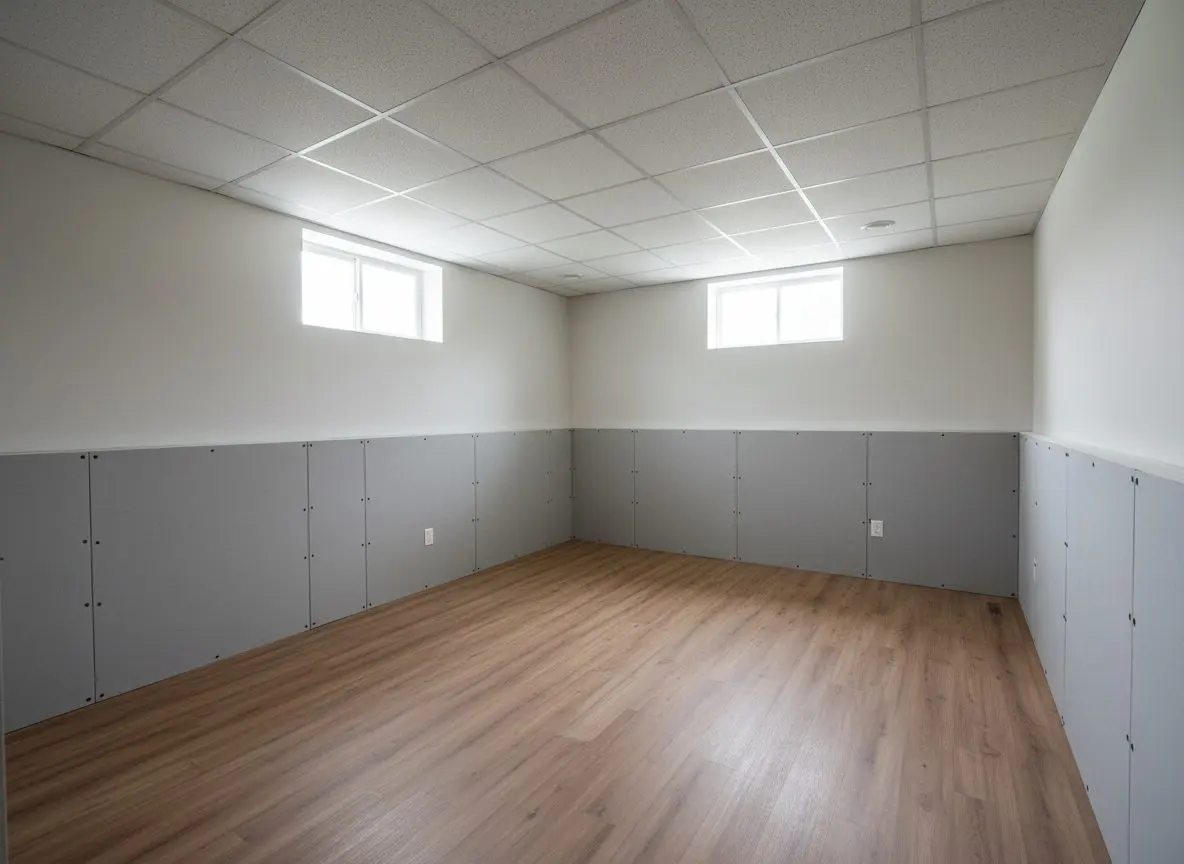
Basement rebuilt to take it again
Harwood
A room that had flooded twice in five years. Rebuilt with nothing paper-faced below grade and the bottom two feet screwed on as panels.
What people said the spring after the water came in
-
Rated 5 out of 5
A pipe froze and split behind the laundry wall in January. Wet board out the same week and the wall back the next. No fuss and no guessing.
Travis O. Kindred Water Damage Repair -
Rated 5 out of 5
Basement of a 2019 build, framed and never finished. The crew found a header sitting out half an inch and stopped to shim it rather than board over it, which added a day. Worth the day.
Marit L. Mapleton Drywall Installation -
Rated 5 out of 5
I turn a rental over most Augusts and had used a different crew every time. This one was two rooms of knocks and a hole where a TV bracket pulled out. Two days, primed, and the sheen matches.
Deb S. Barnesville Drywall Repair
All three of these started as a phone call about one wall. Tell us what yours is doing and we will come and look.
Get a free quoteFAQs
Frequently asked questions
Questions people ask after water has been through
Can you come out the same day?
Usually yes for water that is still spreading, and it is the one thing we move other work for. Call rather than sending the form if a room is wet now. The first visit is meter readings and getting air moving, which is what decides how much board has to come off later.
What should we do before you get there?
Stop the water if you can reach a valve, get anything portable up off the floor, and pull the baseboard away rather than leaving it holding water against the board. Do not put a fan on it and shut the door. Photograph everything wet before it is moved, for your own record.
How do you know the water has actually stopped?
The cause is somebody else's trade, so it is their sign-off rather than ours. What we can do is meter the same points across several days. Readings that keep falling mean it has stopped, and a reading that comes back up overnight means it has not, whatever anybody has been told.
Can the insulation be saved?
Rigid foam board yes, fiberglass batts and blown fiber no. Fiber holds water at the bottom of the cavity long after the surface feels dry, and drying it in place through a wall is not something anybody can verify. It is bagged, taken away and replaced, and that is priced into the scope rather than added later.
How long before the wall can go back?
Until the meter says so, which is three or four days for a clean spill in a warm room and can be two weeks in a cold basement in March. The wait is the part people do not expect. Closing a wall early is the one shortcut on this job that always costs more than it saves.
Is it mold, and do you test for it?
We do not test, and we will say plainly when something needs testing rather than guessing at it. Growth on the back of board that has been wet a week is common, and small areas come out under containment with the board. Anything widespread wants an assessor before we cut, not after.
The ceiling has a brown ring but it is dry now. Cut it out?
Usually yes, and the ring is the least of it. A stain that size means water sat in the insulation above the board, and once fiber has been wet it stays wet in the middle for weeks. The board comes out, the insulation gets replaced and the cavity is metered before anything is hung back.
Do you deal with the insurance company?
We write the scope, take the photographs and the dated meter readings, and give you all of it to hand to your adjuster. We do not bill an insurer directly and we do not tell you what will be covered. What we will do is meet the adjuster on site so the scope is agreed with somebody standing in the room.
Do the fans run on our power, and how loud are they?
Yes, they run on your outlets, and they are loud. Air movers and a dehumidifier are about as noisy as a vacuum cleaner running continuously, day and night, for as long as it takes. In a basement with a door on it most people cope. Under a bedroom, they hear it.
Does everything really have to go after a sewer backup?
Everything porous below the water line, yes, and that is not us being cautious. Board, batts, baseboard and any carpet in it absorb contaminated water into a structure nobody can clean. Framing, concrete and rigid foam are cleanable and stay. It is the one part of this job with no room to negotiate.
Will the smell go away on its own?
No, and a smell that hangs on after a room looks dry is the wall telling you something is still wet. Sealing or painting over it holds it back for a few weeks. The reason it is there is almost always insulation or a bottom plate that never came back down to a normal reading.
Our basement takes water most springs. Worth finishing at all?
Yes, if it is built for it rather than built like an upstairs room. That means paperless board, no paper or fiber in the bottom two feet, a base panel that comes off with a screwdriver and nothing porous against the slab. Built that way the next spring is a wet floor rather than a rebuild.
Fargo Drywall Elite
The book runs three to four weeks out, and a leaking ceiling jumps to the front of it.
Fargo Drywall Elite hangs, tapes, finishes and textures board across Fargo and the Red River Valley towns around it, in houses, additions and commercial units alike. Three crews finish around a hundred and eighty jobs a year, working through winters most trades slow down for. Trading here since 2009.
Why a crew that knows a Fargo winter makes the difference
- Seventeen years hanging board through Red River Valley winters, since 2009
- A measure on site before anything is priced, never a number guessed over the phone
- The scope is written down so you can hold it against the other two quotes
- Compound sets fast in dry winter air, and the coats are timed for it
- Every surface is primed before we leave, so your painter is not the one who finds a defect
If a ceiling is staining after the melt, a wall needs drywall from scratch, or a room just needs finishing off, call (701) 555-0132 and somebody will come out and measure it. You get the scope in writing before any board is cut, and the schedule accounts for the drying time a Fargo winter actually needs.
Give us a call
Send us a message
1630 1st Ave N, Ste B, Fargo, ND, 58102
Where to find us